Battery Pack in Winter: Tips to Make Your E-Bike Battery Last
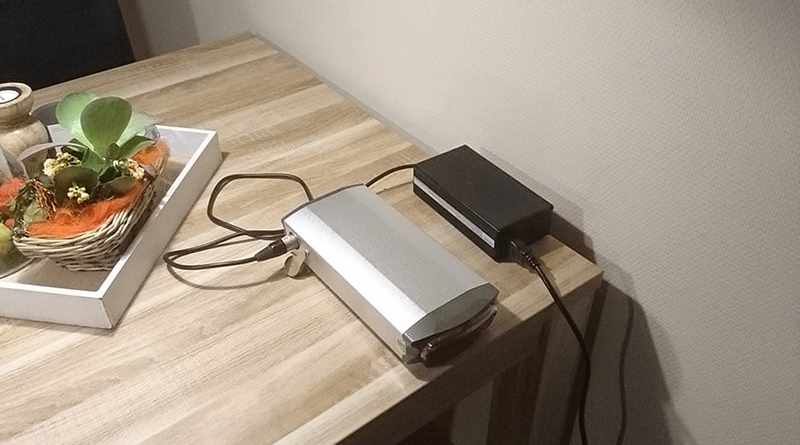
Electric bikes are a special case in the bike trade, and they need a bit more attention than the rest of the bike.
Think of a display that can get damaged or a broken cable, but the most important (and most expensive) part is the battery pack.
Battery Pack in Winter
It starts with charging an electric bike. This seems simple, but there are a few things you should keep in mind to extend the life of your battery.
This will help you enjoy your electric bike for longer. Poor or wrong use can quickly mean a big bill. You will need a new or reconditioned battery sooner than expected.
As with ordinary battery packs, we measure its life in charge cycles.
The most common technologies are NiMH (an outdated type) and lithium-ion (the most common now). The newest, promising technology is LiFePO4 (top-segment batteries).
What to Keep in Mind:
 Perhaps we are not telling you anything new. As you know, batteries suffer from the weather. This affects the performance of the battery and your bike.
This shows in the range (how many kilometres can I ride on one charge), charging the battery and the assistance.
It can start at 10°C and lower, and it can greatly affect the performance of the electric bike.
Your Battery This Winter
Below are some tips and facts. They help you get the best out of your battery, in summer and especially now in winter.
The tips we give apply to most batteries in general. But if in doubt, always contact your dealer.
Tips, Facts and Key Actions for Your Battery in Winter:
To make your battery last as long as possible this winter.
Tip 1:
Charge and store the battery in a heated space (never put the battery on the radiator, as this is very bad for the battery).
Tip 2:
Never charge the battery straight after you have ridden. Leave the battery in a heated room for an hour or two. Let it reach room temperature, and only then charge it.
Tip 3:
Take care that the battery does not go completely flat. This can seriously damage it, and as a result it can become useless. With a lithium-ion battery, you do not need to run it completely flat before you recharge it.
Tip 4:
A battery does not need to stay on the charger if you do not use the bike for a while. However, it is wise to top it up now and then. You can do this every three or four weeks. Modern batteries do not run down quickly. Or go for a short ride in the winter months as well and then charge the battery again.
Tip 5:
For some batteries, you can buy jackets to protect them from the cold, so you get more kilometres in winter.
Tip 6:
Keep a close eye on the tyre pressure of your bike. If your tyres are too soft, that works against you and reduces the range of the electric bike.
Tip 7:
Remember that a battery loses capacity every year. This is roughly 5 to 10% per year. In the worst case, only 70% is left after three years.
For a battery of 14.5 Ah, for example, that is only about 10 Ah, and after five years only half. Keep this in mind.
Temperature Limits of Battery Packs:
| While charging
(in°C) |
While in use
(in°C) |
Storage (50-80% charge)
(in°C) |
|
| ION li-ion PMU4 | 0 to +45 | -15 to +60 | -10 to +35 |
| ION li-ion PMU3 | -5 to +50 | -15 to +50 | -10 to +35 |
| ION Nimh | -10 to +45 | -15 to +55 | -10 to +35 |
| Emotion | 0 to +45 | -15 to +45 | -10 to +35 |
| Bosch | 0 to +40 | -4 to +40 | -10 to +50 |
| Yamaha | 0 to +45 | -20 to +80 | -10 to +35 |
| Remove | 0 to +45 | -5 to +45 | -10 to +35 |
| TranzX | 0 to +45 | -20 to +60 | 5 to +25 |
| Shimano | TBC | TBC | TBC |
TBC = We are asking about this.
Charging at low temperatures takes more time than normal.
Winter tip!
Charge the battery at room temperature. It will charge faster. The starting temperature is also higher, which is good for the range.


