Belgium Is Working on a Separate Moped Class for Speed Pedelecs
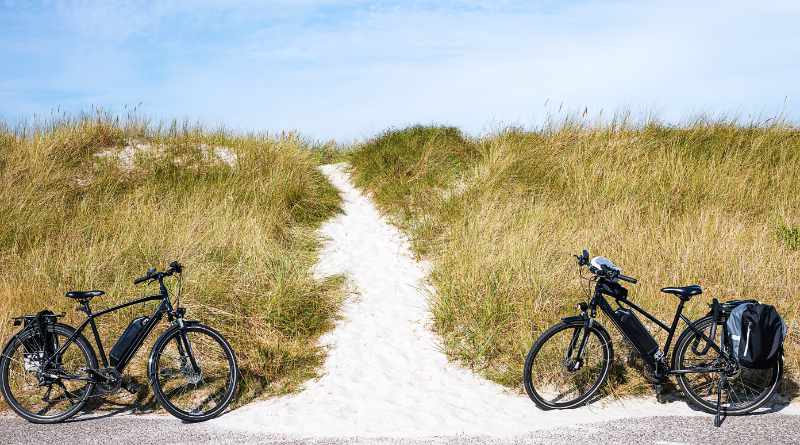
Belgium is busy changing its law on the speed pedelec, a fast class of electric bike that is becoming more and more popular. Next year, the Netherlands will officially classify it as a moped. Belgium, however, is taking its own approach. Here, it will fall under a new, special moped class.
Current Confusion Around Speed Pedelecs
The current Belgian law on the speed pedelec causes confusion. Officially, it counts as a moped. In practice, however, many people see it as an ordinary electric bike. This creates uncertainty for both users and law enforcers.
The Belgian legislator knows about this confusion. Therefore, it is working on new legislation that should take effect this summer. In this new law, the bike stays a moped. However, a new class joins the existing moped category. Besides class A and class B, there will now be a class S-Pedelec.
What Does the New S-Pedelec Class Mean?
The S-Pedelec class is meant to give these bikes more flexibility in certain situations. This means it may ride on roads where ordinary mopeds cannot go. Examples are hunting trails, roads meant for farm vehicles, cyclists and pedestrians, and cycle highways. On these roads, riders must still keep to the speed limits.
The new class takes account of the unique features of this bike, which often has a higher speed and a stronger motor than regular e-bikes. As a result, it can adapt more easily to different road conditions. This adds to safety and ease of use.
New Rules in the Highway Code
Besides the new classification, there will be extra rules in the Highway Code. One important duty is that speed pedelec riders must wear a helmet. This can be a cycling helmet that protects the temples and the back of the head, or a moped helmet. The rule aims to protect riders, because the higher speeds of the bike bring more risks than ordinary bikes.
Tax and Allowance Issues
Besides the new legal classification and the rules for using it, tax issues also need attention. The mobility organisation Mobiel 21 points to possible problems with the bike allowance and taxes for speed pedelec users.
Many Belgian companies pay a bike allowance, which often covers it too. Up to €0.22 per kilometre, this allowance is tax-free. For cyclists, a tax deduction of 100% is also possible. However, the tax rules for these bikes are not yet fully worked out. This can cause uncertainty for users.
The change in Belgian law is an important step to regulate this popular form of electric transport better and make it safer. The new S-Pedelec class within the moped category brings more flexibility and clarity for users, while extra rules such as the helmet requirement improve safety. Some tax issues still need sorting out. Even so, this law change shows that Belgium is ready to keep up with technology and the growing popularity of the speed pedelec.


