Bike Lubricant: The Right Lubricant for Every Bike Part
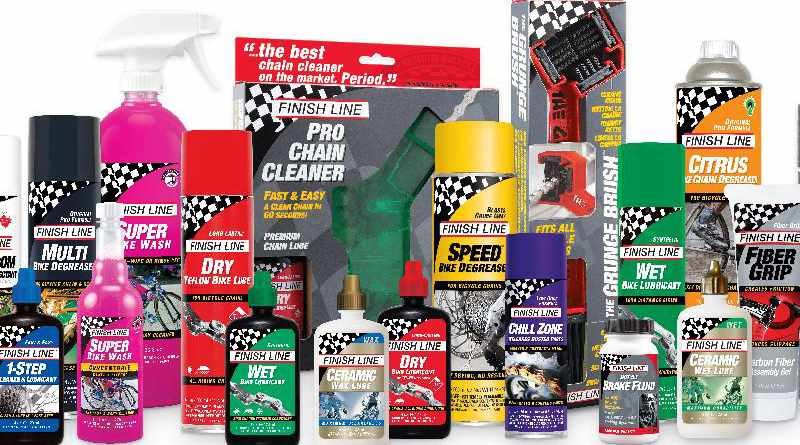
 Bike lubricant is very important for the bike. No vehicle is as durable as a good bike. It can easily do its job for 80 years or more. But that only works if you replace the wearing parts in time and maintain the bike with dedication. Various products serve this purpose. De Fietssite has put them all in one place.
Hundreds of individual parts together make a complete bike.
To keep mechanical friction and material wear as low as possible,
we use different lubricants on the bike.
What all lubricants have in common is that they must also protect against rust
and repel dirt.
Everyday riders usually get by well with a universal spray oil.
In the past, sewing machine oil was popular. Today there are universal lubricants such as “1 Step” from Finish Line.
These products lubricate the parts, loosen rusty parts,
dissolve stubborn dirt and preserve the quality of the bike.
Although universal lubricants live up to their name, many lubrication points on modern bikes
need special care. Other oils, greases, pastes and waxes serve this purpose.
We explain in detail which ones they are and what they do.
Constantly Under Load: The Chain
Which part of the bike do people think of most when it comes to maintenance and lubrication?
The chain, obviously.
A chain is used regularly and needs regular care. Even after a long ride in the rain, it is wise to oil it again.
But people often only notice that the chain needed maintenance when it gets rusty or starts to squeak.
And rust is and remains the chain’s mortal enemy.
The chain alone consists of at least 450 separate parts.
So there is friction in many places, which adds up to quite a lot of effort.
If rust gets into this system, cycling efficiency drops considerably.
A well-oiled chain passes on about 98 per cent of the power from the crank to the wheel.
Efficiency drops if a chain is poorly maintained, and you have to push much harder on the pedal.
New chains therefore come with a so-called first lubrication, which keeps the bike running smoothly.
Unfortunately
Unfortunately, these tough lubricants have the drawback of attracting dirt like a magnet.
This is especially bad for derailleurs, because dirt builds up on the sprockets and the shifting gets worse.
With a new chain, people often recommend removing the first lubrication straight away during fitting and then lubricating with a more suitable oil.
The choice is large, though. Besides the classic oils, there are so-called dry lubricants, such as ceramic wax lubricants.
They contain solid, nano-fine particles that improve lubrication.
A carrier fluid spreads them evenly over the chain and evaporates shortly after application.
The advantage is that this creates a dry surface where dirt can hardly stick.
However, you have to apply dry lubricants fairly often.
If you use a classic oil, however, make sure you use it regularly but not too much.
It is important to apply the bike lubricant to the chain links and give it some time to soak in.
Less problematic than a derailleur chain is the chain of a bike with hub gears.
Here the chain does not need to be flexible sideways, so it wears less.
So you can also lubricate hub gear chains with tougher lubricants, which stick better to the chain parts and protect longer.
Dirt also does not affect shifting performance here.
A modern alternative to the conventional chain is the carbon fibre drive belt, which is easier to maintain.
A little silicone spray is enough to keep it supple.
The Quick Spray from the Can
 The most popular and widely used are the penetrating oils in spray cans.
They are quick to use, but they are not suitable as a universal lubricant.
Their high fluidity lets them seep into cracks and gaps and displace water and dirt, which makes them ideal as protection against corrosion.
With their help, you can quickly free rusty bolts or a seat post, or make corroded aluminium parts shine again.
Be careful, however, if the point to lubricate or plastic seals need treating with other products.
Penetrating oils can even cause damage here, because they displace the original lubrication.
They are also not suitable as a permanent lubricant for moving parts such as the heavily loaded chain.
Always on the Move
In addition to the chain, other moving parts on the bike need lubrication.
These include the brake pivot points, which turn on posts (V-brake) or joints (road bike caliper).
The factory greases these bolts and pivots.
A few drops of universal bike lubricant from time to time is enough here.
That holds until you go on long rides in the rain.
For bigger maintenance jobs, it is better to regrease everything, but make sure none of it gets on the brake pads.
Gear Cables and Brake Cables
Although many bikes now have hydraulic brakes and electronic shifting is on the rise, many bikes still use the classic brake and gear system.
The steel cable runs partly open and partly inside a pressure-resistant, flexible housing,
and usually works against the spring force in the brake or derailleur.
To let the cable move lightly, the housing is often coated on the inside.
However, this layer wears off over time, which is often why a cable housing needs replacing.
Occasional care is enough to protect a cable from contamination or even rust.
A Paste for Every Purpose
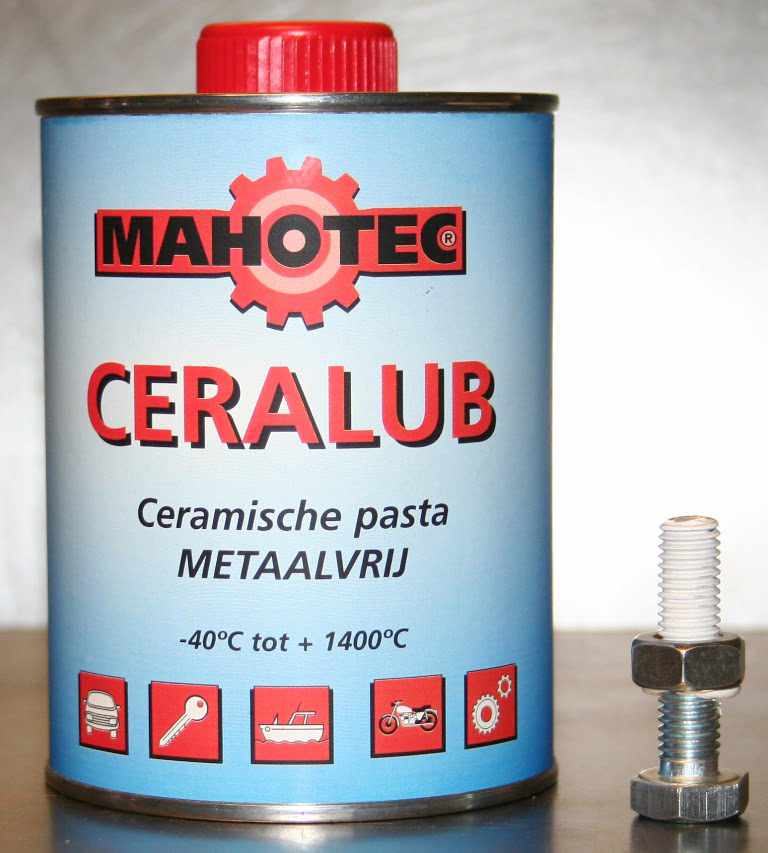 The average cyclist has less to do with these lubricants, but professional and amateur mechanics have more:
Pastes play an important role when fitting bike parts.
It is very important during fitting that no corrosion occurs between components.
When fitting a seat post, for example, it must not be able to rust.
This is what happens when two different metals are joined. The classic case is the aluminium post in the steel frame.
People think aluminium cannot rust like that, so they do not apply a protective layer.
Even with threads, you have to ask which ones to grease and which not.
Fitting instructions often give accurate information on what to grease.
For example, there are metal assembly pastes.
These hard, adhesive mixtures are designed for threads and other lubrication points with no mechanical movement.
They protect different metal surfaces from each other and from moisture and corrosion.
If the fitting instructions leave questions unanswered, contact the manufacturer for more information.
Carbon.
 Parts made of carbon composites and lightweight, thin-walled aluminium parts are a special case in fitting.
Carbon handlebars, seat posts and forks can suffer damage from excessive clamping force.
So you must tighten these parts with a torque wrench.
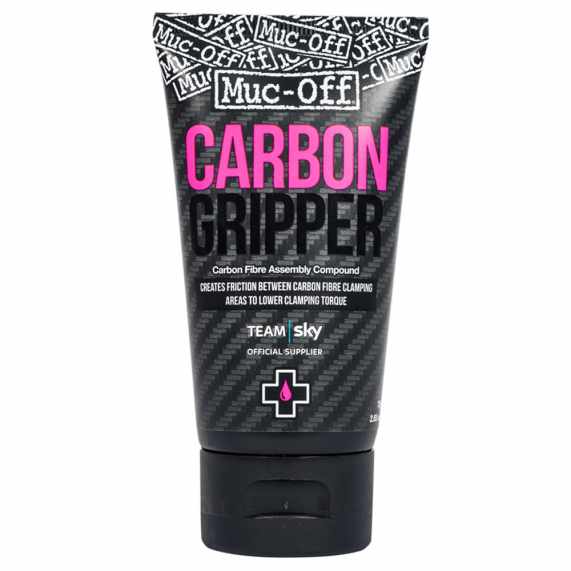
To keep the tightening torque as low as possible, you use assembly paste on a carbon part.
One example is the “Carbon Gripper” product from Muc-Off.
It presses small plastic particles between the components, which increases friction.
As always, the rule applies here: study the instructions exactly before fitting!
The Opposite of Grease: Loctite
Threads are another special case. They get a thread-locking adhesive (Loctite) to stop them coming loose.
This applies, for example, to spoke threads, which people still like to treat with boiled linseed oil. This oil makes fitting easy and, once it has hardened, gives a good grip.
Today there are also special products, such as Loctite.
Another example is fixings such as brake disc screws and Allen bolts on the V-brake.
Tips for Using Bike Lubricant in the Home Workshop
When lubricating, the right dose and cleanliness matter, so the lubricant does not get dirty.
A great solution is to fill cheap disposable syringes from the pharmacy with grease, instead of using a thick brush that collects dirt.
On the other hand, an old toothbrush is the ideal tool for cleaning the chain and sprockets.
To keep the worst dirt under control, you should really work with oil-repellent gloves.
The workshop is the ideal graveyard for worn-out clothes, torn into manageable rags.
Cotton is best. Textiles made of water-repellent material are not suitable.
Bike Lubricant on the Road
For multi-day tours, a small bottle of chain oil is handy, especially after a heavy shower.
For quick clean-ups, people used to take an old cloth. Today, handy packs of damp wipes made of bamboo fibre are available, which are sturdy and durable.
With these, you clean not only the wheel but also your hands after a roadside repair.
If you want to lubricate and oil on the road, preferably use a biodegradable, eco-friendly product.
Finally, the Bike Lubricant Terms:
- Oil: Low-viscosity lubricating oil with good flow, applied for example in drops to chains. It often contains additives.
- Base oil: raw, obtained from carbon (fossil: coal, oil, gas; and renewable raw material: soy, rapeseed or palm).
- Grease: Lubricant with a high viscosity, often oil that has been hardened with a thickener.
- Penetrating oil: very fluid and volatile lubricant (so often good for cleaning). It seeps into water and corrosion, but also into other lubricants (so it is sometimes counterproductive).
- Viscosity means stickiness. It tells you about the flow properties of the lubricant: the higher the value, the thicker the oil and the less volatile it is.
- Additives. Substances added to the base oil that give the product specific properties, such as flow (viscosity), adhesion / durability / weather protection, and heat resistance.
- Teflon: a fluorocarbon polymer used as an additive in chain lubricating oil because it is inert and resistant, and so has a low coefficient of friction.
- Nano particles: Additives in the smallest imaginable form.
- Dry lubrication: solid particles with lubricating properties, applied in a fast-evaporating carrier fluid. Advantage: does not get dirty quickly.


