Bike Storage Rules for New Homes Under Threat
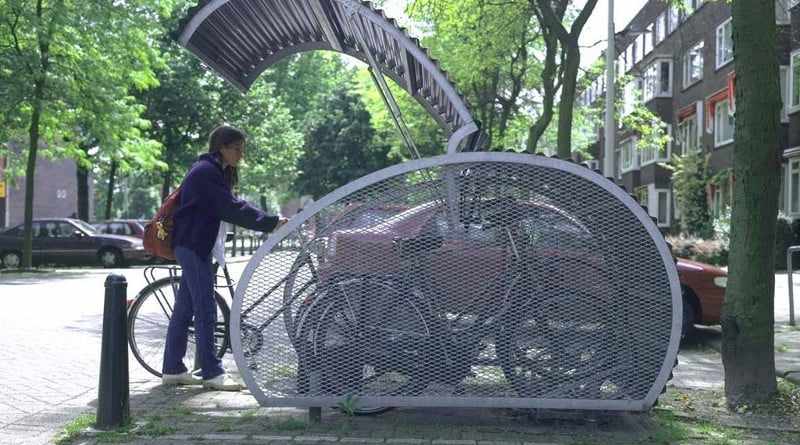
The Fietsersbond, the Dutch cyclists’ union, is deeply concerned about the cabinet’s plan to scrap the rules on bike storage in new housing projects. The plan comes as a shock, especially because the cabinet already scrapped these rules once before. They returned when the market did not build enough bike storage by itself. The main reason developers do not build it is the cost. However, bike storage is essential for a tidy street scene and to encourage cycling. Many people say bike theft puts them off cycling. A lack of safe storage can only make that fear worse.
The Role of Bike Storage in the Cycling Agenda
Bike sheds play a crucial role in the cycling agenda of the Netherlands. It matters not only to individual cyclists, but also to keeping streets orderly and attractive. Without storage, the surroundings often turn messy, because people park bikes at random on pavements and against façades. This can cause nuisance. It can also lower the value of property nearby. Besides, without proper facilities, the risk of bike theft rises. That can be a real barrier for people who want to cycle.
The duty to build them was already a point of debate. However, people saw it as a necessary measure to prevent the negative effects of not building storage. If the requirement lapses again, developers can decide for themselves whether to build it. The past shows what happens when developers get that choice. They often choose not to build storage, especially in apartment blocks. As a result, fewer people cycle and more bikes get neglected, because they must stand outside when not in use.
The Consequences of Scrapping the Rules
Scrapping this duty is part of a wider trend. Authorities are dropping usage requirements for homes. A broad coalition, including the Fietsersbond, has already protested. The idea is that less regulation gives developers more flexibility. However, that flexibility often comes at the expense of basic facilities that residents need for their well-being.
It is ironic that the proposal comes just as cycling is getting more attention. Recently a broad partnership, including the Ministry of Infrastructure and the Environment, published an ambitious cycling agenda. It aims for better cycling facilities in cities. Minister Kamp’s Energy Agenda also stresses the need for more bike parking in urban areas. Scrapping the requirement is in sharp contrast with these goals. It could undermine efforts to promote cycling as a sustainable means of transport.
A Call to Action
The Fietsersbond calls on the House of Representatives (the Tweede Kamer) to make it a standard requirement again during the coming debate. Director Saskia Kluit stresses the importance of safe storage at home: “Being able to park your bike safely at your own home is a basic facility for every Dutch person. Scrapping the storage is an incomprehensible proposal. Many cities already complain about nuisance from bikes parked in the street. This measure will only make that problem bigger.”
Policymakers must recognise the long-term benefits of bike storage. It matters for the environment and for liveable cities, but also for residents’ health and well-being. Cycling is an affordable and healthy way to travel. It can help solve many problems that cities face, such as traffic congestion and air pollution.
By making bike storage compulsory again, the Netherlands can keep and strengthen its position as a leading cycling country. It is important to have this discussion now and to take the right measures to safeguard the future of cycling in the Netherlands.


