Bio Cycle Path in Drenthe: A 200-Metre Pilot
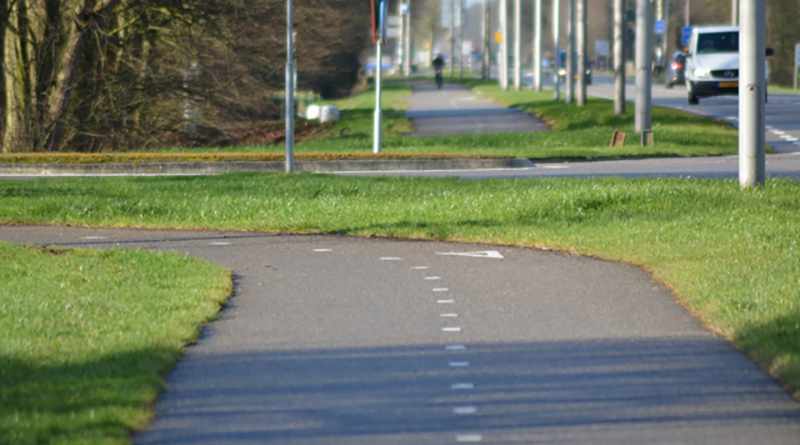
Drenthe is getting its first “bio cycle path”. This summer, a 200-metre trial section of bio cycle path will be built between Klazienaveen and Barger Oosterveen near Emmen. It is made largely of wood. More precisely, it is a bio-composite, a mixture of bio-resin and natural raw materials such as wood, cork or rice. For instance, people already use similar material to build terraces.
Experts say the material is a good alternative to asphalt and concrete. It is also lighter and works better in boggy areas. It also has a low environmental impact in raw materials and energy use. The material is frost-resistant and recyclable, and people expect it to last a long time. In the coming period, researchers in Drenthe will also study things like the grip of the surface.
We stress the eco-friendly side even more by installing low-energy LED lighting with smart sensors along the path. For example, these sensors follow the natural colours of light in the morning, night and evening. So this limits the disturbance to the surroundings. We save energy by dimming the lighting at night. If the sensors detect road users, or if safety conditions call for it, such as fog or an AMBER Alert, the lighting level adjusts automatically.
The pilot in Drenthe comes from the INTERREG V programme “Bio-economy in the non-food sector”. This Dutch-German programme focuses on networking and cross-border development of bio-based products.
Benefits of the Bio Cycle Path
- Lighter material. The bio-composite is lighter than asphalt and concrete, which makes building in boggy areas easier.
- Sustainable. The material has a low environmental impact in raw materials and energy use.
- Frost-resistant. It withstands frost, which adds to its durability.
- Recyclable. The material is recyclable, which makes it an eco-friendly choice.
- Long life. We expect it to last a long time, which reduces maintenance costs.
Innovative Lighting
Along the path, we install low-energy LED lighting with smart sensors. The sensors follow the natural colours of light and adjust the lighting to traffic intensity and weather conditions. As a result, this saves energy and causes less disturbance to the surroundings.
Pilot Project
The trial section in Drenthe is part of the INTERREG V programme “Bio-economy in the non-food sector”. In addition, the programme promotes cross-border development of bio-based products and aims to build networks between the Netherlands and Germany.
The bio cycle path in Drenthe is an innovative project that paves the way for more sustainable cycling infrastructure. By using bio-composite and smart lighting, we not only reduce the burden on the environment, but also improve functionality and safety. The research into this cycle path will show whether we can apply the concept more widely in the Netherlands and beyond.


