Buying a Bike Helmet: What to Look For
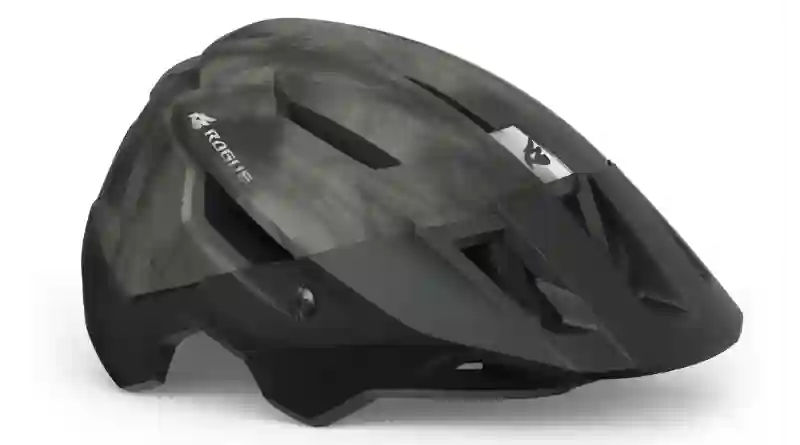
Buying a bike helmet seems simple, but there are important points to consider. From protection to fit and extra features, everything counts towards your safety and comfort. In this article, we explain what to look for when you choose a bike helmet.
1. Type of Bike Helmet
The first thing to think about: do you need an ordinary bike helmet or a special helmet for a speed pedelec? Helmets for speed pedelecs protect more than ordinary bike helmets. This matters if you often ride at high speed. Also consider whether you want extras such as a visor or an insect net.
2. Protection and Safety Standards When Buying a Bike Helmet
Did you know that expensive bike helmets do not necessarily protect better than cheaper models? All bike helmets must meet the European standard EN 1078. This means the basic protection is the same everywhere. More expensive helmets often weigh less, ventilate better and have more adjustment options.
Standards at a glance:
- EN 1078: For ordinary bike helmets.
- NTA 8776: For speed pedelec helmets, which give heavier protection.
- EN 1080: For children’s helmets, where the chin strap comes loose under high pressure to prevent choking.
New technologies such as MIPS (Multi-directional Impact Protection System) let the inner shell of the helmet rotate slightly. This may give extra protection in falls, although scientists have not fully proven the effect yet.
3. The Fit of the Bike Helmet
A good fit is essential. The helmet must stay firmly on your head without fastening the strap. Try the helmet in the shop and move your head in all directions. The helmet must stay put. Test it before you commit.
Tips for the right fit:
- Comfort: You should feel no pressure points when you push on the helmet.
- Height: The front of the helmet should sit just above your eyebrows.
- Chin strap: You should be able to fit exactly two fingers between the strap and your chin.
4. Ease of Use and Extra Features
A bike helmet must be easy to use. Check the adjustment straps: are they easy to adjust and comfortable? Also check whether the helmet works with (sun)glasses. The weight of the helmet matters: lighter helmets (under 300 grams) are often more pleasant to wear for a long time.
Other handy features:
- Ventilation: Many vents mean better cooling.
- Visor: Protects against wind and insects. Often removable with magnets.
- Insect net: Stops insects getting into your helmet.
- Helmet cap: Ideal for cold days. Make sure the helmet still fits comfortably with the cap.
- Ponytail cut-out: Handy for people with long hair.
- Noise dampers: Reduce wind noise, handy if you wear a hearing aid.
5. Warranty and Lifespan
Bike helmets last 3 to 5 years on average. Check whether the maker offers a warranty or a replacement after a fall. After a fall, always replace the helmet, even if you see no damage.


