Tips for Buying a Mountain Bike: Choose the Right Style
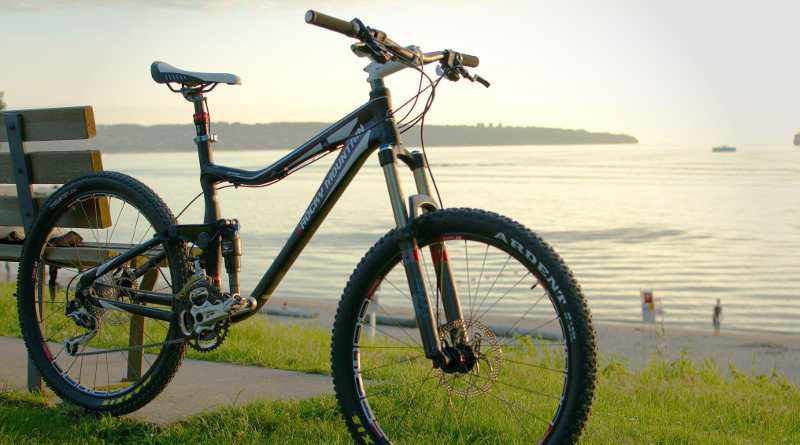
So you want to buy a new mountain bike. Buying a mountain bike is not as simple as it used to be. Advances in materials, frames and suspension mean that bikes are now built for very specific purposes. So the choice is no longer just about colour and size.
Start by finding a shop with experienced staff that stocks several brands. Be ready to ask questions, insist on honest answers, and test as many bikes and styles as you can before you buy. Remember that shops differ in their level of expertise. So ask other mountain bikers which shops are the best.
The first question when buying a mountain bike
The first question a trustworthy salesperson should ask you is: “How and where do you like to ride?” Be honest, because your answer decides which type of mountain bike suits your riding style. This is no time for macho talk or exaggerating your skills. If you are not a climber, say so. If descents intimidate you (or you tend to bounce down them), say that too. If you are not sure what you want, start by telling the salesperson where your favourite trails are and how fast you want to ride them. That is often enough information for them to make recommendations.
With this in mind, it helps to do a little research first. Buying a mountain bike is certainly more complicated than it used to be. However, if you are patient and ask the right questions, you can find a bike that is ready to give you a lot of fun. To make the choice easier, here is an overview of the mountain bike styles that sell best at the moment.
If you are a casual rider
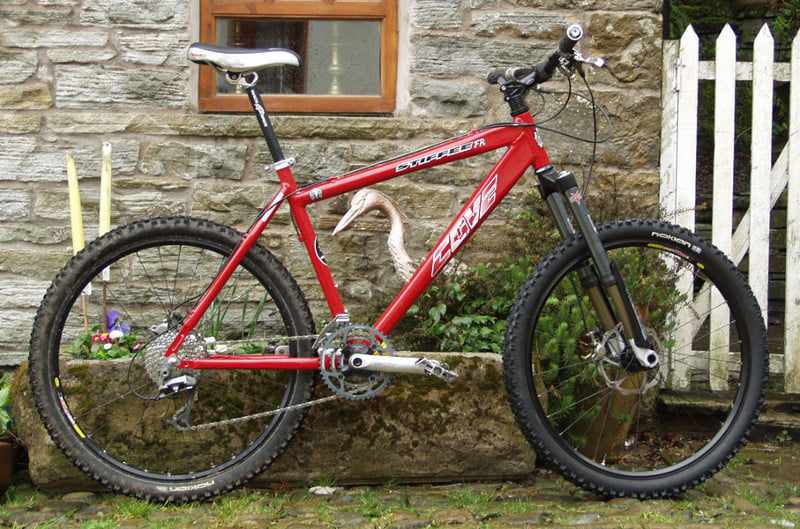
Maybe you do not want to ride aggressively or tackle technical terrain. In that case, consider a hardtail. If you have never ridden a mountain bike, a hardtail (a bike without rear suspension) is a good place to start. Hardtails are simple, sturdy and affordable. In town or on the cycle path, an entry-level hardtail is usually the first choice for budget-conscious or beginner riders.
If you are a competitive rider
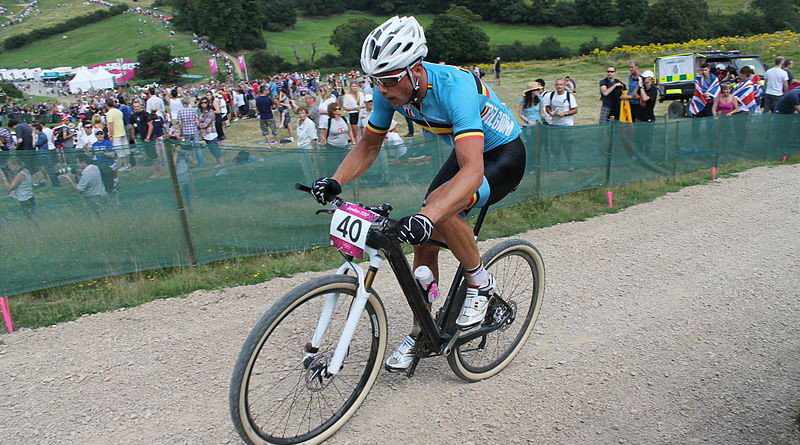
Maybe you want to be first to the top of the climb or first across the finish line. In that case, consider a cross-country (XC) bike. XC bikes are light and put pedalling efficiency first. This makes them perfect for racers who want to climb or cover long distances at maximum speed. But keep in mind that they are less forgiving on descents. So plan your route carefully before you head into challenging terrain. XC bikes are lighter and more efficient. However, they often have front and rear suspension with just enough travel to descend faster. They do not have so much that they lose speed and pedalling efficiency on the climbs.
If you do not want to race
But you still want a bike that performs well on both climbs and descents. In that case, consider a trail bike. These full-suspension bikes offer more suspension than XC bikes. That means they are more forgiving on descents over rough, rocky trails. However, they do not have so much travel that the bike feels heavy and slow on climbs. Trail bikes are the most versatile mountain bikes for going both uphill and downhill. You can ride easily to the top and still tackle the most challenging descents.
If you ride for the adrenaline
Maybe you care less about technical skills, and you do not mind how long the climb takes. You just want to be first back down. In that case, consider an enduro bike. Enduro bikes are built for speed and for being first down the hill. They offer more suspension than cross-country and trail bikes, but they are also heavier. You can still ride to the top, but it takes some effort. However, these bikes can finish the most challenging descents in style.
Keep in mind: some brands offer “all-mountain” bikes with slightly more suspension than a trail bike, but slightly less than an enduro bike. If that is the case with the brand you are considering, ask your salesperson which category the bike fits best.
If gravity is your only friend
Maybe you also have a good way to get to the top of the mountain. In that case, consider a downhill bike. Downhill bikes have more travel than mountain bikes in the other categories. They are made to get you down as fast as possible and soak up everything in your way, like a motocross bike without the motor. But for most riders, a downhill bike is not a practical choice, because it is too heavy and bouncy to ride anywhere else.
And what about tyres?
Now you have a better idea of what kind of mountain bike you are looking for, you are ready to talk about wheel size. The days of the 26″ MTB tyre are over. First the 29″ replaced it, then the 27.5″, and now even the 27.5″+ (let’s call it “27.5 plus”). Each size has its own advantages, but it simply means even more choice when buying a mountain bike.
Which tyre size should you choose?
Sometimes the brand has made the choice for you. A few companies (such as Trek and Orbea) pick the wheel size that best fits the frame size. Larger sizes get 29″ wheels and smaller sizes get 27.5″ wheels. However, many brands offer identical models with 29″, 27.5″ and 27.5″+ wheels. Here is a short explanation of each type:
29″ tyres:
These offer the best pedalling efficiency, and their larger size means they roll faster over rough terrain. This makes them very suitable for climbing and speed, so they are a perfect choice for XC bikes. They are also great for trail bikes, where going up and going down are equally important.
27.5″ tyres:
They are ideal for more aggressive riding, so you see them a lot on all-mountain, enduro and downhill bikes. 27.5″ wheels are stiffer and stronger, so they suit bikes with longer suspension travel.
27.5″+ tyres:
You get the same rolling diameter as a 29″ tyre, but in an extra-wide package. It gives more grip and floats over obstacles and rough trails (especially at lower pressures). These tyres are good at almost everything. They add a ton of confidence, so your bike can handle more and more.
Better still, a new industry standard for rear axle spacing and drivetrains makes it easy for companies to build frames that fit both 29″ and 27.5″+ tyres. They do this without losing handling or drivetrain performance. So buying a 27.5″+ bike is like buying two bikes for the price of one.


