The Beginner’s Guide: How to Choose the Right Bike
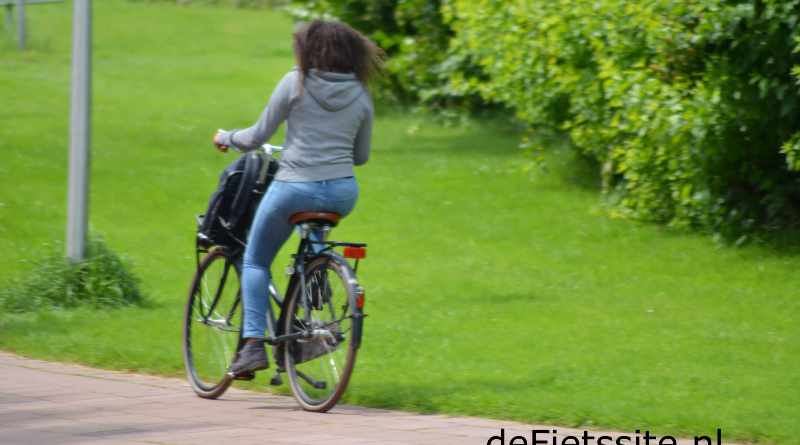
There are many types of bikes available, each with its own features and benefits. Here is an overview to help you choose the right bike for your needs.
Different Types of Bikes
Mountain Bike
Mountain bikes are sturdy and designed for off-road use, but you can also ride them on pavements. Although that is not always allowed, they offer excellent grip and stability on rough terrain.
City Bike
City bikes are meant for paved roads, such as in town. They are built for speed and light, so they are ideal for long distances and sporty riding.
Hybrid Bikes
Hybrid bikes combine features of both mountain bikes and road bikes. They are not as fast as road bikes and not as sturdy as mountain bikes, but they are excellent for commuting.
Cruisers
Cruisers are casual bikes that are ideal for relaxed rides, such as along a promenade by the beach. They are comfortable and often have a retro look.
This infographic gives an excellent overview of the different types of bikes for beginners. Of course, there are all kinds of extra, specialised types, such as tandems, BMX bikes and fixed-gear bikes. For beginners, however, these four types are a good starting point.
Work Out Your Budget
Bikes can vary a lot in price, depending on the type and quality. Here are some price ranges to keep in mind:
- Low price range (€80 – €1,000): These bikes usually have metal frames and are functional and stylish. Shops such as IKEA, Praxis and large bike chains often sell them.
- Mid-range (€1,000 – €2,000): These bikes are usually made of aluminium or lighter metals. They are ideal for daily riders because they last longer and have higher-quality parts.
- High price range (€2,000 and up): These bikes are made of the lightest metals, such as carbon and titanium, and are designed for intensive daily use. Riders can put together their own model by choosing different frame sizes, colours and wheel types.
You can also find decent, affordable bikes second-hand. Once you know which type of bike and level of quality you want, you can move on to the details.
Make Sure the Bike Fits You
Your ideal frame size depends on the type of bike you choose, your height and your inseam (measured from your crotch to the ground).
Handlebar Considerations
The right handlebar position is crucial for comfort and performance. Here are some common handlebar shapes and what people use them for:
- Drop handlebar: Lightweight and aerodynamic, ideal for fast riding. It puts you in a lower, forward-leaning position, which can be uncomfortable for your back.
- Flat handlebar: Common on hybrid bikes and sometimes on road bikes or mountain bikes. It lets you sit upright in a comfortable position, which reduces injuries to your hands, wrists and shoulders.
- Raised handlebar: Used on mountain bikes and many road bikes. It gives you a higher seating position for a better view.
Once you have chosen the right type of bike and the fit you want, you can decide which features you need: gears, wheel size, suspension and brakes.
Gears, Suspension and Brakes: Choose the Right Bike
Gears
Your choice of gears depends on your fitness and the terrain you will ride. If you often meet hills and find climbing hard, choose more gears. If you are a strong rider or only ride on flat ground, you do not need as many low gears.
Suspension
Suspension lets you ride comfortably over rough terrain. Mountain bikes often have full or front suspension to improve control and traction. Front suspension is also ideal for hybrid bikes. Road bikes usually have no suspension.
Brakes
There are different types of brakes, each with its own pros and cons. Here are the most common ones:
- Rim brakes: Brake pads that clamp onto the rims of the wheel. They are simple and easy to maintain, but they can wear down the rim and work less well in wet or muddy weather.
- Disc brakes: Brakes that attach to the wheel hub. They are harder to inspect and replace than rim brakes, but they work better in different weather conditions.
- Coaster brake: Brakes that work when you pedal backwards. They need little maintenance and are good for children, but they are not ideal for riding downhill.
- Drum brakes: Built into the wheel hub. They need little maintenance and resist the weather, but when they wear out, you may need to replace the whole wheel.
Depending on the bike, you may not have much choice in brakes, but it is good to know what is available.
Adjust the Bike and Take a Test Ride
Saddle Height
The right saddle height is essential for comfort and efficiency. When you sit on the bike with your leg fully down (pedal at the 6 o’clock position), your knee should be slightly bent. If your leg is straight (knee locked), your saddle is too high. If your knee is too bent, your saddle is too low. Both problems can cause knee pain and reduce your ability to pedal hard.
In the normal riding position, with the pedals parallel to the ground, your front knee should be directly above the pedal axle. This prevents knee pain.
Test Ride: Choose the Right Bike
Take a test ride to judge whether the bike meets your expectations. Pay attention to the following:
- Comfort: Are you happy with your position on the bike? Can you ride comfortably for as long as it takes to reach your destination?
- Performance on different terrain: Ideally, test the bike on different surfaces. How does it handle corners, hills and descents?
- Carrying capacity: If you plan to carry a lot, test how the bike behaves with heavy loads. You can buy accessories such as a trailer, or choose a heavier hybrid or mountain bike.
Test riding several bikes helps you get a feel for different styles. There is a lot to choose from, but with these guidelines you can start to choose a bike that is perfect for your needs and comfort.


