Which Bike Computer Is Right for You? Pick by Riding Style
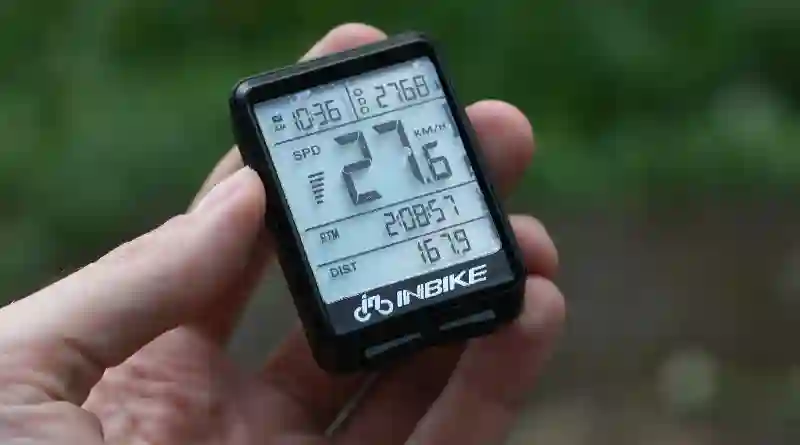
Choosing a bike computer is a smart move for anyone who wants more insight into their cycling performance. Whether you ride for fun, train keenly or travel daily by e-bike, the right bike computer helps you ride with more focus and analyse your rides better. However, the range is large and varies from simple speedometers to advanced GPS systems with extensive training functions. So it is important to decide first what your goal is.
For leisure riders, a basic bike computer without GPS is often enough. These models measure speed, distance and ride time with a sensor on the wheel. They are affordable, easy to fit and have a long battery life. Sporty riders and road cyclists, on the other hand, usually choose a GPS bike computer. With it you record routes, analyse training data and easily link up with apps such as Strava and Komoot. This offers extra options for route planning and performance improvement.
For the leisure rider
Do you mainly ride to relax or to commute? Then a simple wireless bike computer is a logical choice. Models such as the Sigma BC 9.16 and the CatEye Velo 9 show speed, trip distance and total kilometres clearly. These devices work with a magnet sensor and need little maintenance. For many cyclists, this is more than enough.
For the sporty road cyclist
Do you train with a plan or prepare for races? Then a GPS bike computer adds value. The Garmin Edge 540 and the Wahoo ELEMNT Bolt offer navigation, training analysis, links to heart rate monitors and power meters, and automatic syncing via Bluetooth or WiFi. You get insight into cadence, power and metres climbed, so you can match your training precisely to your goals.
For e-bike riders
Many electric bikes already have a display built in. Systems such as the Bosch Kiox and the Bosch Purion show speed, battery level and assistance mode. Do you want navigation or detailed ride recording? Then you can add a GPS bike computer that works with your e-bike system.
What should you look for when choosing a bike computer?
Choosing a bike computer depends on several factors. First, decide what you will use it for. Do you only want basic data or extensive training data? Then look at navigation options, screen size, battery life and connectivity. Also check compatibility with sensors such as heart rate straps or power meters. Finally, budget plays a role. Entry-level models start at around €30, while high-end models can cost several hundred euros.
A good bike computer fits the way you ride and motivates you to ride more often and with more purpose.
After this look at choosing a bike computer, some practical questions often remain. Below, we answer the most common ones.
What is the best bike computer for beginners?
The best bike computer for beginners is a simple wireless model without GPS. With it you measure speed and distance without complicated settings. This type is affordable, easy to use and ideal for leisure riding.
Is a GPS bike computer necessary?
No, a GPS bike computer is not necessary if you only want to see basic data. GPS is mostly useful for route planning, navigation and detailed training analysis.
Can I link a bike computer to my smartphone?
Yes, most modern models support Bluetooth or ANT+. With it you sync ride data automatically with apps such as Strava or Komoot and can receive notifications.
Does a bike computer also work on an e-bike?
Yes, a bike computer also works on an e-bike. Do keep compatibility in mind if you want to bring in data from the e-bike system.
How long does the battery of a bike computer last?
That differs by model. Basic bike computers often run for months on a coin cell battery, while GPS models last 15 to 30 hours on average per charge.


