Will Higher Container Prices Hit the Bike Industry This Year?
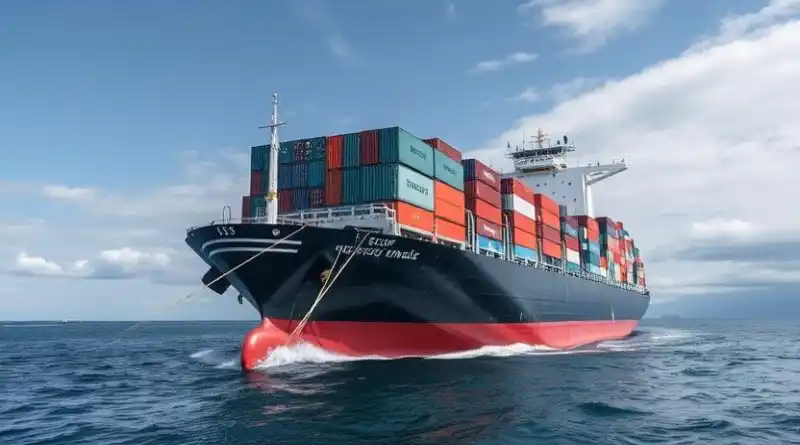
The bike industry faces a challenging 2025, partly because of rising container prices and shifting trade flows. Supply-chain experts predict a considerable impact on the sector, mainly because of geopolitical tensions and structural changes in international trade routes.
Container prices rise in 2025
As many as 82 per cent of supply-chain professionals in China expect container prices to rise in the first months of 2025. This comes from a survey by the platform Container xChange among 900 supply-chain professionals. Early orders ahead of Chinese New Year, geopolitical risks and fears of American tariff increases are driving the rise.
“Growing uncertainty and volatility will probably keep container rates high well into the first quarter of 2025,” says Christian Roeloffs, CEO of Container xChange. These price rises may directly affect the bike industry, which already had supply-chain problems before.
Vietnam as an emerging trade power
Vietnam benefits from the growing tension between the US and China. The country plays an increasingly important role in international trade routes. It has become a crucial link in the export of e-bikes to the EU.
In the third quarter of 2024, Vietnam supplied more than 51,000 e-bikes to Europe. That beat Taiwan, which exported 49,000 e-bikes. This marks an important shift in the global bike supply chain.
Container prices in Vietnam have also risen. In 2024, the ports of Haiphong and Ho Chi Minh City recorded price rises of 42 per cent and 66 per cent respectively. This reflects the growing demand for Vietnamese exports and the country’s limited capacity to cope with this growth.
Impact on the e-bike industry
Rising container prices and shifting trade flows affect the bike industry, especially in Europe and the United States. E-bike prices may rise because of higher transport costs, and deliveries may be delayed.
Vietnam is now one of the biggest exporters of e-bikes to the EU, which partly reduces the dependence on countries such as China and Taiwan. For European bike companies, this offers chances to work with new suppliers. However, it also raises the competitive pressure in an already saturated market.
Geopolitical tensions and trade policy
Trade tensions between the US and China play a big part in the current situation. President Donald Trump has returned with his protectionist trade policy, so many companies are preparing for higher tariffs and stricter rules. This makes the supply chain more complex and more costly, especially for American bike companies that depend heavily on Chinese imports.
The Chinese economy also faces internal challenges, such as falling retail sales and slower growth. As a result, experts expect Chinese exports to the US to fall, while markets such as Vietnam and Mexico keep growing.
Positive figures in Vietnam
Despite global uncertainty, Vietnam recorded a 15.8 per cent rise in import and export turnover in 2024. The Vietnamese statistics office reports that China remains the biggest source of imports, while the United States is the most important export market. These strong figures show that Vietnam is becoming a more important player in global trade and in the bike industry.
Looking ahead: what can we expect?
With rising container prices, geopolitical tensions and changing trade routes, the bike industry is at the start of a turbulent year. Here are some possible scenarios:
- Price rises: E-bikes and bike parts may get more expensive because of higher transport costs.
- Delivery delays: The shift to new exporting countries can mean longer delivery times.
- New opportunities: Markets such as Vietnam offer alternatives to traditional suppliers, but they require changes in the supply chain.
Bike companies need to plan strategically and stay flexible to meet these challenges. This may mean working more closely with emerging markets and investing more in local production and distribution.


