Germany Opens Its First Cycle Highway in the Ruhr Area
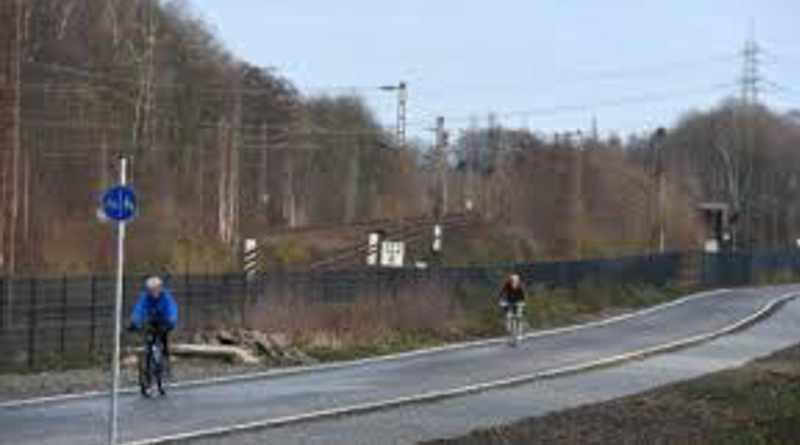
Germany has taken an important step in developing cycling infrastructure. It has opened the first 5 km of a cycle highway that will eventually reach 100 km. The Dutch network of cycle paths inspired this innovative route. It links 10 cities in the densely populated Ruhr area, including Duisburg, Bochum and Hamm. The ambitious project aims to improve mobility in the region and to cut car traffic sharply.
A Sustainable Alternative for the Ruhr Area
The Ruhr area is one of the most densely populated and industrialised regions of Germany. It is home to nearly 2 million people. The new route also links four major universities in the region. So it offers an attractive alternative for commuters who travel back and forth every day. People expect it to take 50,000 cars off the roads in the end. This will not only ease traffic, but also have a clearly positive effect on air quality in the region.
Design and Benefits of the Cycle Highway
The route mostly follows old railway lines, which builders have carefully turned into wide, comfortable cycle paths. This makes the route use existing infrastructure in the best way. So the building costs stay manageable and the environment is spared. The designers made the highway with both safety and comfort in mind. There are no crossings with roads for cars, which means cyclists can ride on without interruption. As a result, cycling becomes a more attractive way to travel longer distances.
One of the main reasons for the expected popularity of this route is the rise of electric bikes in Germany. These bikes make it possible to cross hilly terrain without too much effort. So the bike becomes a serious alternative for the daily commute, even in less flat areas.
Expanding Cycling Infrastructure in Germany
The Ruhr route is only the start of a wider trend in Germany. Builders want to improve cycling infrastructure on a large scale. For example, builders are laying a 30 km cycle path between Frankfurt and Darmstadt. In Munich, a 15 km route is under construction that should connect the city better with the surrounding areas. In the south of Germany too, in the region around Nuremberg, planners are developing similar cycle paths.
The Future of Cycling in Germany
With these new cycle highways, Germany is taking an important step towards sustainable mobility. The expected drop in car traffic will bring cleaner air, fewer traffic jams and a healthier living environment for millions of people. The success of this project could inspire other cities and regions to launch similar projects. As a result, the bike would play an ever bigger role in daily transport.
Conclusion
The opening of the first cycle highway in Germany marks an important moment in the development of sustainable mobility in Europe. By linking cities and universities in the Ruhr area, the highway offers commuters a green alternative. It could also cut car traffic considerably. With further expansion of cycling infrastructure on the way, Germany seems determined to give the bike a central role in its future transport policy.


