Cycle Path Safety Can Improve Significantly with CycleRAP
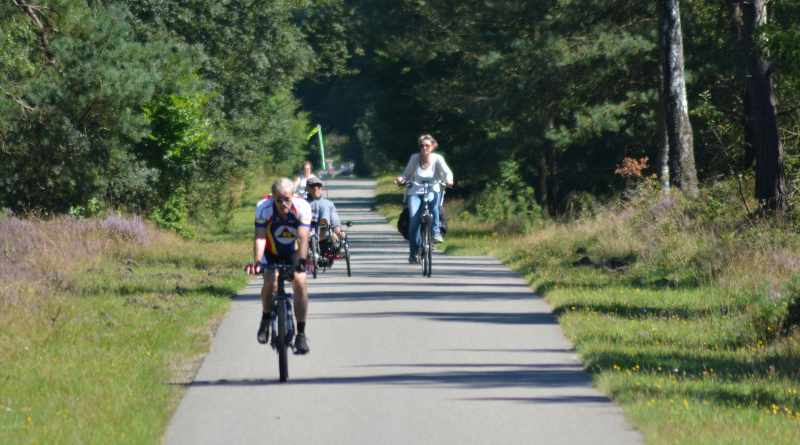
ANWB introduces CycleRAP to improve cycle path safety
The ANWB is introducing a new method, CycleRAP, to improve cycle path safety. Every year, more than 12,000 cyclists are seriously injured. In almost half of these accidents, the layout of the road plays a role. For example, obstacles such as bollards, kerbs or tram rails can make cycle paths dangerous.
CycleRAP gives detailed information about roads and cycle paths with a higher risk of cycling accidents. In addition, roads and cycle paths get a score from one to five stars. With this data, municipalities and provinces can work on road safety in a targeted way. As a result, they can use the available budget more effectively and prevent accidents.
Rolling out CycleRAP
Over the next six months, more than 1,100 kilometres of cycle paths and roads will get star scores. The provinces of Fryslân, Groningen, Drenthe and Flevoland and the Rivierenland water board are the first areas to start with CycleRAP. They use photo analysis to identify dangerous points and obstacles. The municipality of Amsterdam and the Rotterdam-The Hague metropolitan region have already run pilot projects. The ANWB therefore expects other authorities to follow their example.

Research by SWOV
The Institute for Road Safety Research (SWOV) investigated, on behalf of the ANWB, which factors play a role in cycling accidents in the Netherlands. SWOV’s findings support the use of CycleRAP to make targeted improvements to cycle paths and roads.
Benefits of CycleRAP
CycleRAP offers several benefits:
- Targeted improvements. With CycleRAP, municipalities and provinces can respond effectively to specific risks and dangerous situations.
- Cost savings. Because of this, targeted improvements make better use of the road safety budget.
- Greater safety. By identifying and tackling dangerous points, authorities make cycling safer and prevent accidents.
Looking ahead
The ANWB hopes that CycleRAP will be rolled out across the Netherlands and that more municipalities and provinces will adopt the method. This will lead to safer cycle paths and fewer serious accidents among cyclists.
Conclusion
CycleRAP is a promising method to make Dutch cycle paths safer. First, authorities assess the cycle paths. Then they make targeted improvements. As a result, municipalities and provinces can create safer conditions for cyclists. With the support of the ANWB and the findings of SWOV, CycleRAP is an effective way to reduce cycling accidents and improve road safety.


