Cycling Safety Campaigns for School Pupils in Belgium
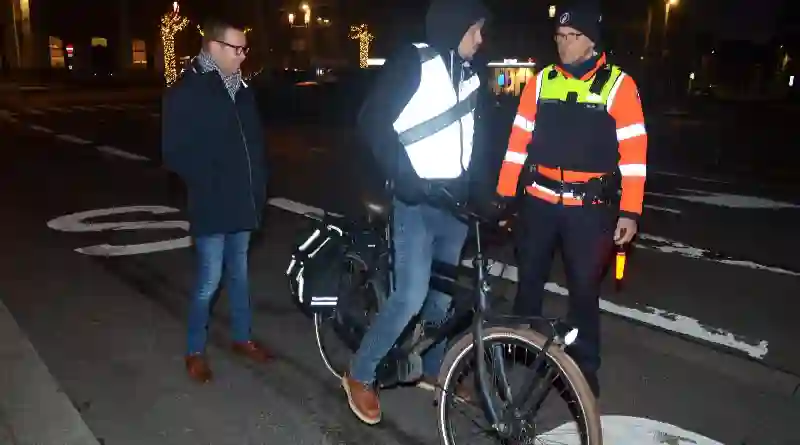
Cycling safety campaigns for school pupils in Belgium
For years, Belgium has run targeted campaigns to improve cycling safety for pupils. The focus is mainly on being visible in traffic, correct use of bike lights and encouraging helmet use. These initiatives are not compulsory nationwide, but they are rolled out actively at regional and local level, with schools as important partners.
Focus on visibility in traffic
An important priority of the Belgian cycling safety campaigns is being visible, especially in the dark months. Pupils often cycle early in the morning or late in the afternoon, when light conditions are poorer. Campaigns therefore stress the importance of reflective clothing and accessories.
Many schools hand out hi-vis vests, reflective school bag tags and spoke reflectors. Municipalities often support this with grants or local actions. People see visibility as an easy and effective way to prevent accidents, without imposing rules straight away.
Lights as a fixed focus
Besides visibility, good bike lights are a structural part of traffic campaigns. In autumn, organisers run extra checks and remind pupils how important working front and rear lights are. The emphasis is usually on awareness, not on fines.
Schools sometimes hold bike checks in the playground, often with the local police. Staff repair defective lights on the spot or note them down, so parents can fix them at home.
Helmet use stays voluntary
In Belgium, wearing a bike helmet is not compulsory, not even for children. Even so, helmet use gets more and more attention in campaigns, especially in primary education. The message is preventive and educational: a helmet can prevent serious head injury, even at low speed.
Helmet actions often consist of joint purchases through the school or temporary discounts. By taking a positive approach, campaigns try to avoid resistance and encourage people to get used to helmets.
The role of schools and organisations in cycling safety for pupils in Belgium
Schools play a central role in reaching pupils and parents. They combine road safety education with practical actions, such as bike checks and visibility campaigns. In Flanders, the Vlaamse Stichting Verkeerskunde (Flemish Foundation for Traffic Knowledge) supports schools with teaching materials, campaigns and communication tools.
Local authorities, parent associations and police zones are also actively involved. As a result, the approach differs by region, but the message stays the same everywhere: safe cycling starts with being seen and behaving responsibly.
After looking at cycling safety campaigns for school pupils in Belgium, some practical questions often remain. Below, we answer the most common ones.
Frequently asked questions about cycling safety for pupils in Belgium
Is a bike helmet compulsory for school pupils in Belgium?
No, a bike helmet is not a legal requirement in Belgium, not even for children. Governments and schools do strongly recommend wearing a helmet because of the protection it gives in falls and accidents.
Why do Belgian pupils often wear a hi-vis vest?
Hi-vis vests make you more visible in traffic, especially at dusk and in bad weather. Campaigns encourage their use because drivers notice cyclists sooner, which lowers the risk of accidents.
Do schools check bike lights?
Yes, especially in autumn and winter, schools run bike light checks. These checks are mostly educational and aim to raise awareness, not to hand out fines.
Who organises cycling safety campaigns in Belgium?
Regional organisations, local authorities and schools set up the campaigns. In Flanders, the Vlaamse Stichting Verkeerskunde plays an important supporting role.
Are there differences between regions in Belgium?
Yes, the approach differs by region and municipality. However, the general focus on visibility, lights and helmet use is similar everywhere.


