‘Cycle Without GPS,’ Says GPS Expert Tjeu Lemmens
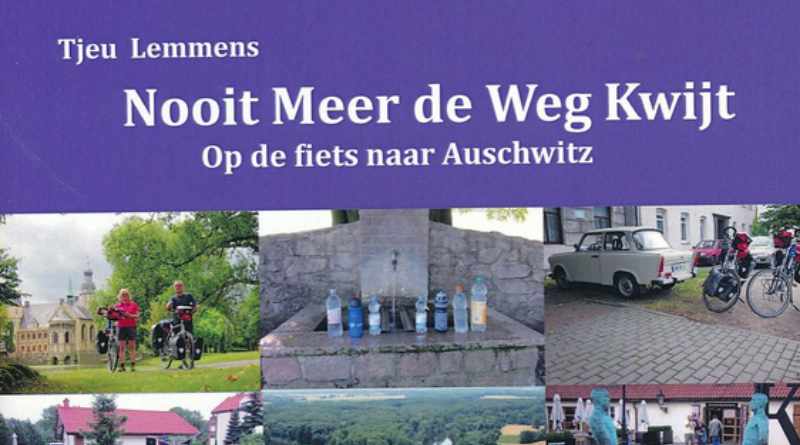
A new cycling novel has just come out: Nooit Meer de Weg Kwijt – Op de fiets naar Auschwitz (Never Lose Your Way Again – By Bike to Auschwitz). In it, Tjeu Lemmens makes a remarkable choice: cycling without GPS. On his bike trip from Delft to Auschwitz, Lemmens covered 2,000 km without using GPS or GPS tracks. This stands out, because Lemmens is a GPS expert.
Why Cycling Without GPS?
Lemmens is a keen map reader. He says: “Why would you follow a route that someone else thought up, or that a machine works out for you?” He deliberately chooses the broad overview of maps to plan his own routes. According to Lemmens, it is essential that the map has enough detail. “Sometimes you see cyclists with car maps at a scale of 1:1,000,000 or an ANWB route map. That is asking to get lost,” he says. He thinks the fear of getting lost is unfounded. “It does not matter if you lose your way, as long as you know how to find it again.”
The Importance of Orientation
One of the main reasons Lemmens prefers maps to GPS is the cognitive benefit. Reading a map requires orientation in space. According to neuropsychologists, this combines physical and cognitive effort. Scientific research shows that this is good for the (ageing) brain.
Adventure and Freedom
Lemmens is not necessarily against GPS. He recognises its benefits, especially for people who find it hard to read maps. “GPS is a fantastic technology, and many people who find it hard to read maps use it. For them, it is a great help,” he says. Even so, nothing beats the wealth of information on maps for him.
For Lemmens, leaving the beaten track opens the gates to adventure. “That is what you want as a cycling tourist, after all,” he adds. He gets lost himself sometimes, but he always finds his way back by using the position of the sun and the direction of the wind.
A Pilgrimage by Bike
In Nooit Meer de Weg Kwijt, the bike trip itself is not the only theme. The book is also about the meetings with local people and with other long-distance cyclists. Lemmens describes the trip as a pilgrimage, a time to search for yourself and find yourself. The novel has gripping, humorous and sometimes sharp dialogues that take the reader on a deep journey through Eastern Europe.
The journey through three former Eastern Bloc countries (East Germany, the Czech Republic and Poland) is not only a physical challenge but also a mental one. As Lemmens and his wife near Auschwitz, they reflect more and more on the excesses of feelings of superiority, warmongering and the urge to destroy.
About the Author
Tjeu Lemmens teaches geo-data acquisition techniques at Delft University of Technology. He has gained international fame as a columnist for GIM International, a magazine distributed worldwide. Besides technical books and literature, he previously published the cycling novel Op de Fiets naar Cappadocië (By Bike to Cappadocia), which press and public praised highly.
Nooit Meer de Weg Kwijt is a truthful novel, not a diary or a linear travel report. The book gives a deep look at the impact of history and culture on modern people. It also invites the reader to think about the world around them.


