The Dutch Cycle Around the Earth 369,000 Times a Year
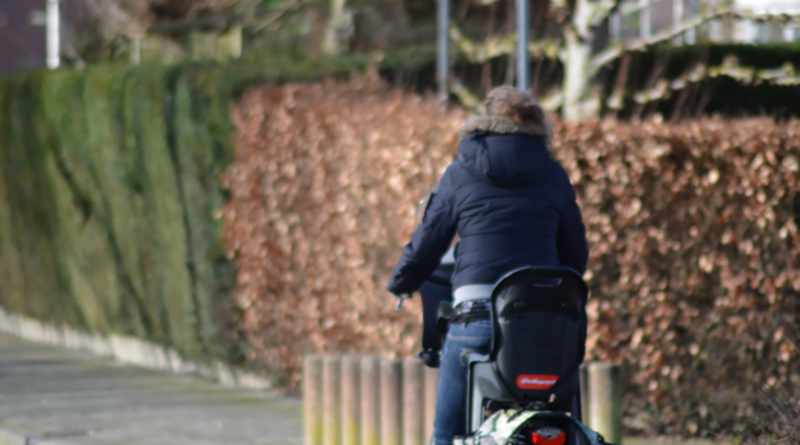
Dutch people are famous worldwide as keen cyclists, and for good reason. Dutch cycling is an integral part of the country’s culture and infrastructure. Every year, the Dutch cycle an average of a thousand kilometres per person. However, the figure is much higher among teenagers aged 12 to 19, who cycle an average of two thousand kilometres a year. These numbers show how deeply rooted the cycling tradition is in the Netherlands, and how important the bike is for both young people and adults.
Cycling Kilometres in Perspective
The total distance that people in the Netherlands aged 12 and over cycle each year is impressive: about fifteen billion kilometres. That equals almost 369 thousand times around the Earth, measured at the equator. On average, that means each person cycles 2.9 kilometres a day. Men are slightly more active on the bike than women. They cycle an average of 3.2 kilometres a day, while women cycle 2.6. The provinces of Utrecht and North Holland lead the way for the most and the longest daily bike trips.
These statistics highlight not only the popularity of Dutch cycling, but also how efficient and effective the cycling infrastructure is. You find cycle paths everywhere, and the country pays close attention to maintaining and expanding them. As a result, people can easily and safely cycle long distances.
More Cycling Thanks to Electric Bikes
The distance that the Dutch cycle will probably grow even more in the coming years. This is because e-bikes and faster speed pedelecs are getting more popular. For example, the e-bike gives pedal assistance up to 25 kilometres per hour, while the speed pedelec can reach speeds of up to 45 kilometres per hour. These developments make cycling even more appealing for commuters who do not want to sit in traffic jams.
Electric bikes are not only handy for people who cycle to work every day, but also a good option for people who like to cycle at the weekend. Pedal assistance makes longer distances easier, so more people take the bike for leisure rides.
Cycling as Sustainable Transport
The shift to electric bikes contributes to a more sustainable future. Cycling is an environmentally friendly way to get around, and it helps cut harmful emissions. When people take the bike more often instead of the car, they help improve air quality and reduce traffic. This trend fits in with global efforts to fight climate change and build a greener future.
Moreover, electric bikes are an excellent choice for people who want to stay mobile without losing speed or comfort. This makes the bike not only a practical way to travel, but also a lifestyle choice that helps create a healthier and more sustainable society.
Cycling: Health and Wellbeing
Besides the benefits for the environment, cycling also has many health benefits. Regular cycling improves cardiovascular health, strengthens the muscles and improves your overall fitness. It is also an effective way to reduce stress and improve mental health. The combination of exercise and fresh air adds to wellbeing and a better mood.
In the Netherlands, people often see cycling as a social event. They cycle to school or work together, and families often go on bike rides at the weekend. This builds social cohesion, and it also makes cycling a fun and pleasant activity for people of all ages.
The Future of Dutch Cycling
The future of Dutch cycling looks promising. The government keeps investing in cycling infrastructure and in bike-friendly policy. Planners increasingly include cycling in urban planning and mobility strategies, which gives people more access to safe and efficient cycle routes. These efforts help to make cycling even more appealing to a wider audience.
In addition, innovations in bike technology play a crucial role in the further growth of cycling as a dominant form of transport. Smart bikes with built-in technology, such as GPS navigation and safety sensors, make cycling even more appealing and practical for daily use.
The Dutch keep up their reputation as keen cyclists by riding enormous distances every year. With the rise of electric bikes and continuing investment in cycling infrastructure, this trend will only grow stronger. Cycling is a practical and sustainable way to travel, and it also contributes to a healthier and happier lifestyle. The Netherlands remains an example for the rest of the world when it comes to embracing the bike as an essential part of daily life.


