Fietsersbond: The Dutch Cyclists’ Union Explained
What Is the Fietsersbond?
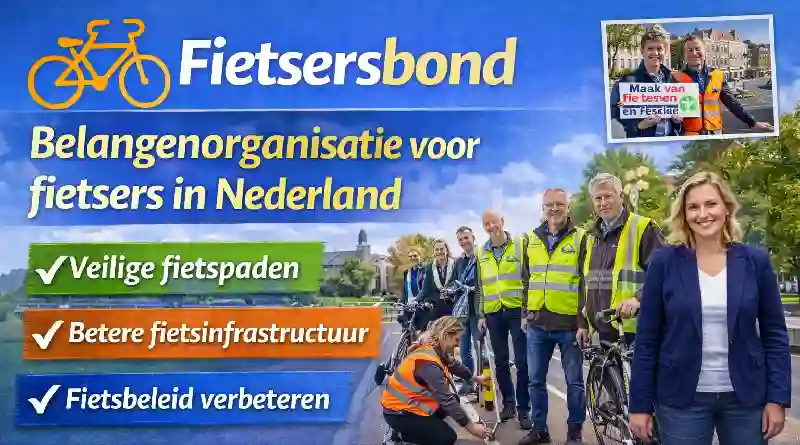
The Fietsersbond, the Dutch cyclists’ union, works for better and safer conditions for cyclists in the Netherlands. It stands up for the interests of millions of people who ride bikes. To do this, it works with municipalities, other authorities and organisations. Its goal is to make cycling safer and more appealing. Since it was founded in 1975, the union has drawn attention to the position of cyclists. It does this through research, campaigns and talks with the authorities. In this way, it helps bring about better cycle paths and safe junctions. It also asks for more attention to cyclists in traffic plans. The Netherlands is known worldwide as a cycling-friendly country. Organisations like the Dutch cyclists’ union have helped make that happen.
The Mission of the Dutch Cyclists’ Union
The Dutch cyclists’ union wants to improve the position of cyclists in traffic. Everyone should be able to cycle safely and comfortably. Cycling should also be possible for as many people as possible. That is why the organisation focuses on safe roads, good cycle paths and space for the bike. It also draws attention to the benefits of cycling for health and the environment. Staff and volunteers talk to municipalities and other authorities about this. So they try to give cyclists a firm place in traffic plans. In addition, the union encourages people to cycle more often. After all, cycling means less congestion and fewer emissions. Regular cycling also helps you stay healthy.
Activities and Projects
The union organises and supports projects that improve cycling in the Netherlands. A well-known example is the Fietsgemeente survey (Cycling Municipality). It looks at how cycle-friendly municipalities are. Thousands of cyclists share their experiences for it. They give their opinion on topics such as:
- safety on cycle paths;
- maintenance of cycle paths and other cycling facilities;
- bike parking;
- lighting and visibility;
- signposting;
- crossings.
Thanks to these experiences, municipalities can see what cyclists are happy with. It also becomes clear which places need attention. As a result, municipalities can use the results to improve their cycling facilities. The best cycling municipalities also receive a title in several categories. Besides this survey, the union runs campaigns and actions. With these, it draws attention to safe cycling and better cycling facilities.
Volunteers and Local Branches
All over the Netherlands, the Fietsersbond has local branches and a large network of volunteers. They often know the cycle routes in their own area well. As a result, they see where cyclists run into problems. For example, volunteers collect information about dangerous junctions and poor cycle paths. They also look out for missing facilities. Think of a safe crossing or enough space to park bikes. Then they discuss these problems with the municipality and other parties involved. This helps bring them to attention, which can lead to a faster solution. In addition, local branches organise activities, such as bike rides, meetings and campaigns. In this way, they involve residents in the union’s work and draw attention to cycling.
Influence on Cycling Policy in the Netherlands
Over the years, the Dutch cyclists’ union has helped shape cycling policy in the Netherlands. It does this through regular talks with the authorities and traffic organisations. In these talks, it gives advice and shares cyclists’ experiences. Many cycling facilities seem obvious today. However, good cycle paths, lighting and safe crossings still need attention. Through advice and talks on these subjects, the union helps improve conditions for cyclists. New developments also need attention. For example, more and more people use an electric bike, and some cycle paths are getting busier. Therefore, the organisation helps think of solutions that let different cyclists share the road safely. You can find more information about its work and projects on the official Fietsersbond website. After reading about the union, you may still have some practical questions. Below, we answer the most common ones.
Frequently Asked Questions About the Fietsersbond
What Does the Fietsersbond Do?
It stands up for the interests of cyclists in the Netherlands. To do so, it carries out research, advises the authorities and runs campaigns. Local volunteers also point out dangerous situations. In this way, the union works on safe cycle paths, better cycling facilities and more space for cyclists.
When Was the Fietsersbond Founded?
It was founded in 1975. Since then, the union has worked for better conditions for cyclists. It does this through campaigns, research and talks with the authorities. In addition, local branches help tackle problems in their own area. This way, the Dutch cyclists’ union contributes to a more cycle-friendly Netherlands.
What Is the Fietsgemeente Survey?
Fietsgemeente is a survey held every two years. In it, the union asks cyclists how they experience cycling in their municipality. They rate things such as safety, cycle path maintenance and bike parking. With the results, municipalities can see what is going well and where improvements are needed. The best cycling municipalities also receive a title.
How Can You Join the Fietsersbond?
You can join via the Fietsersbond website. With your membership of the Dutch cyclists’ union, you support the work for safe and pleasant cycling. In addition, members receive information, tips and member benefits. On the website, you can find the current terms and read how to sign up.


