E-Bike Quality Mark: Will It Solve the Fatbike Nuisance?
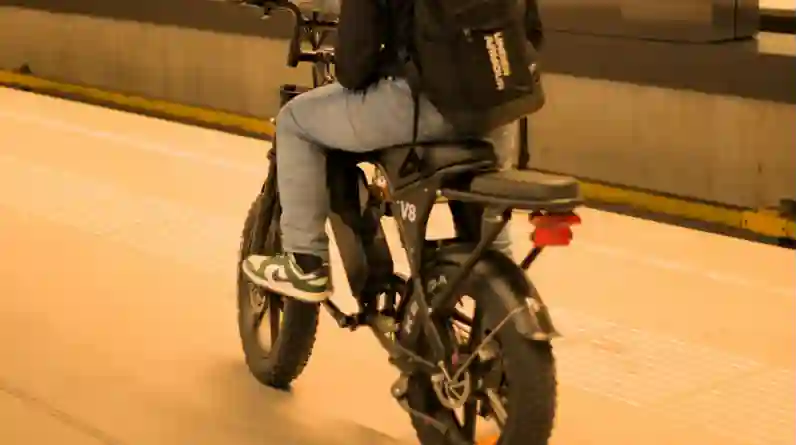
The rise of fatbikes on Dutch roads has caused concern and political debate in recent years. The Minister of Infrastructure and Water Management is considering measures, including a minimum age of 14 and a compulsory helmet. This follows a parliamentary motion that MPs adopted earlier. Even so, the industry is not standing still. RAI Vereniging, the Dutch mobility industry association, has announced a new initiative: an e-bike quality mark for safe and reliable bikes.
According to RAI Vereniging, the quality mark is for all e-bikes. It should help guarantee safety and reliability in the market. It also aims to tackle illegal, tuned models, such as some fatbikes. With this quality mark, consumers can easily tell which e-bike is safe. Enforcement officers also get a tool to track down illegal e-bikes faster.
Why an E-Bike Quality Mark?
Fatbikes have become hugely popular in recent years. However, they have also caused nuisance and unsafe situations. This is mainly due to tuned models that go faster than the law allows. RAI Vereniging wants the e-bike quality mark to change this. The mark makes it easier to check which e-bikes meet the safety rules.
A quality mark can help consumers make an informed choice. They know that the e-bike they buy meets the laws and regulations. The mark should also help enforcement officers. The police can judge faster whether a bike is legal. This avoids long checks and helps improve road safety.
Industry Initiative for an E-Bike Quality Mark
The idea for the quality mark comes from the industry itself. At the end of 2023, the fatbike maker Doppio announced that it wanted to set up a quality mark. Doppio eventually went bankrupt, partly because of the negative image of fatbikes. Even so, the industry kept the idea alive. Other makers, such as Brekr and Knaap, have joined the Safe Fatbikes Netherlands covenant. They approached Kiwa SCM to develop a certification scheme. Kiwa SCM already has experience with schemes for track-and-trace systems. So it was a logical choice to involve them.
Kiwa SCM and the Quality Mark
Kiwa SCM has now drawn up a first draft of the quality mark. The draft is fairly advanced, but it is not final. According to those involved, the mark is usable, but it still needs polishing. Kiwa SCM is a respected party with experience in certification and quality marks. Even so, the cooperation is not final yet. The industry is still considering whether to appoint Kiwa SCM as the independent inspection body.
In the end, the quality mark should bring more clarity and safety to the market. By involving an independent party such as Kiwa SCM, the industry wants to show it is credible. This matters because of the negative image of fatbikes. The mark can help restore trust among consumers and politicians.
Support from RAI Vereniging
Late last summer, the fatbike producers Brekr and Knaap joined RAI Vereniging. They soon looked for support for their quality mark plans. At first, the trade body was reluctant. Large traditional makers without fatbikes saw little in the e-bike quality mark. This was because of the bad publicity around fatbikes. But then it became clear that fatbikes are hard to treat as a separate category, and the mood changed.
RAI Vereniging has now thrown its weight behind the quality mark. Frits van Bruggen, the association’s chairman, sees it as a solution to the problem of illegal e-bikes. “With this quality mark, we offer a targeted solution,” he says. The mark should improve road safety without putting blanket limits on responsible e-bike use.
A Strategic Moment for the E-Bike Quality Mark
The timing of the e-bike quality mark is no coincidence. Before the Christmas recess, the minister has promised to return to the House of Representatives (Tweede Kamer) with information on new measures. The announcement of the quality mark in November therefore seems a strategic choice. It shows that the industry is willing to take responsibility and come up with solutions itself.
RAI Vereniging admits that recent political developments affected the timing. The trade body wants to prevent blanket rules that would also limit responsible e-bike use. With the quality mark, it hopes to convince the minister and MPs to take a targeted approach.
What Does This Mean for Consumers?
The quality mark should make it easier for consumers to choose a safe e-bike. This matters because many people have no technical insight into how e-bikes work. Tuned models can be dangerous, especially when young riders use them. With the quality mark, consumers get a guarantee that their bike meets all safety standards.
The mark also helps with enforcement. The police often struggle to tell whether an e-bike is illegal. This is because many tuned models are hard to tell apart from legal ones. The quality mark makes this easier. It saves time and makes checks more efficient. In the end, this should improve road safety.
What Happens Next?
The timetable for introducing the quality mark is not yet clear. RAI Vereniging is working with the industry to develop it. An independent party, possibly Kiwa SCM, will award the mark. The trade body aims for a quick and effective rollout. The goal is to guarantee the safety of e-bikes as soon as possible.
However, some things still need working out. Kiwa SCM’s draft is well advanced, but not final. The industry must decide whether Kiwa SCM is the right party. Technical details also need finishing. The coming months will be crucial for the launch of the quality mark.
A Look at the Future
The e-bike quality mark could be a big step forward in the fight against illegal fatbikes. It gives consumers certainty and helps enforcement. But success depends on cooperation within the industry and with politicians. The minister must also decide whether extra measures, such as a compulsory helmet, are needed.
The coming time will show whether the quality mark can really make a difference. For now, it looks like a promising initiative that can improve road safety. Consumers, makers and the government all benefit from a safer and more transparent e-bike policy.


