Cycling’s Economic Benefits in the Netherlands Top €77 Billion
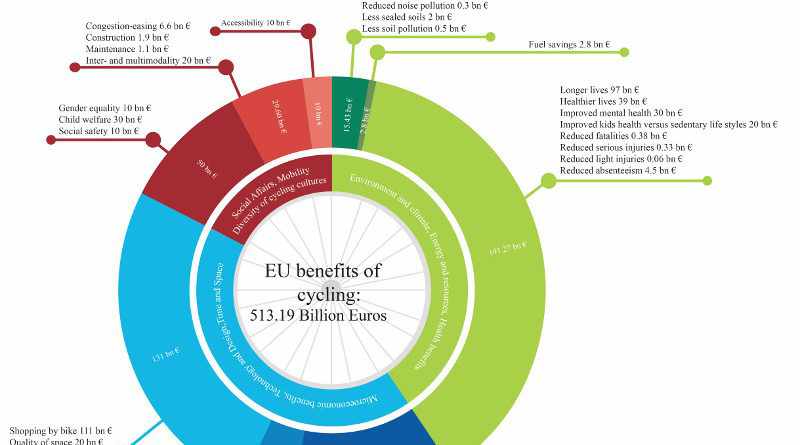
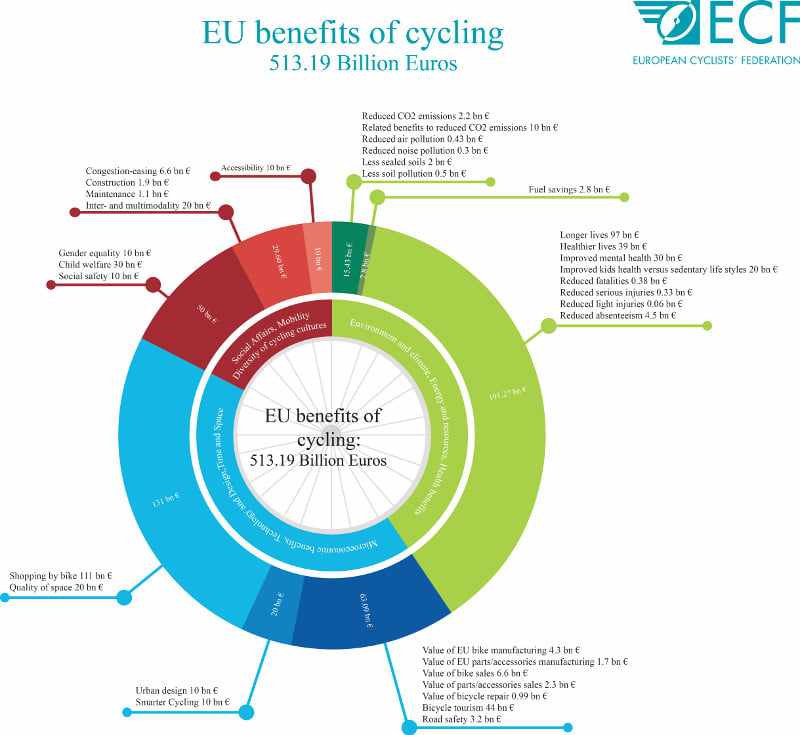
On Tuesday 6 December, the European Cyclists’ Federation (ECF) presents its report “Economic Benefits of Cycling.” The report highlights the financial and social value of cycling in Europe. It shows that the benefits of cycling go far beyond mobility and climate change. Cycling brings real benefits in areas where national governments in Europe play an important role. These are mainly growth and jobs, public health, industrial policy and social inclusion. In this article, we explore these economic benefits of cycling further.
Economic Benefits of Cycling: An Engine for Growth
The economic impact of cycling is huge. Across Europe, the economic benefits come to more than 500 billion euros a year. This means that the bike has an average economic value of 1,000 euros per person. In fact, countries with a higher share of cycling gain the most from these economic benefits. In the Netherlands, where cycling is deeply rooted in the culture, the economic value is more than 77 billion euros a year. These figures show the huge potential of the bike as an economic engine.
The Role of Cycling in Public Health
One of the most significant benefits of cycling is its positive impact on public health. According to the ECF report, cycling saves more than 190 billion euros in healthcare costs in Europe. Cycling regularly improves overall health, because it lowers the risk of chronic disease and improves physical fitness. If governments encourage people to cycle, they can make big savings on healthcare spending. In addition, more cycling leads to a healthier and more productive population.
Social Inclusion and Mobility
Cycling also contributes to social inclusion and gives wider access to mobility. It gives refugees and other vulnerable groups an affordable and accessible way to get around. As a result, it is easier for them to join society and raises their chances of finding work. Experts estimate the economic value of these social benefits at 60 billion euros a year. Cycling also promotes inclusion and helps to close the gap between different social groups.
Investing in Cycling Infrastructure
Despite the significant economic benefits of cycling, Dutch governments together invest only half a billion euros a year in cycling infrastructure. The Fietsersbond, the Dutch cyclists’ union, calls for a substantial extra investment in cycling during the next government term. This investment should aim to improve urban accessibility, expand station bike parking and build fast cycle routes. If the Netherlands invests more in cycling infrastructure, it can increase the economic benefits even further.
The Future of Cycling in Europe
The ECF wants to put cycling higher on the EU agenda. The report stresses that the benefits are significant even in countries with a low share of cycling. By putting the bike high on the agenda, European countries can enjoy the many benefits that cycling offers. The potential of the bike is huge, because it can contribute to economic growth, better public health and social inclusion. By promoting cycling, countries can work towards a more sustainable and prosperous future.
Cycling offers a wide range of economic and social benefits that go beyond mobility alone. It also promotes growth, jobs, public health and social inclusion. With an economic value of more than 77 billion euros in the Netherlands alone, the bike is a crucial pillar of the economy. By investing in cycling infrastructure and promoting cycling, governments can increase these benefits further. The Fietsersbond keeps working for more investment in cycling to create a more sustainable and healthier society.


