ELF Solar Vehicle: An E-Bike or an Electric Car?
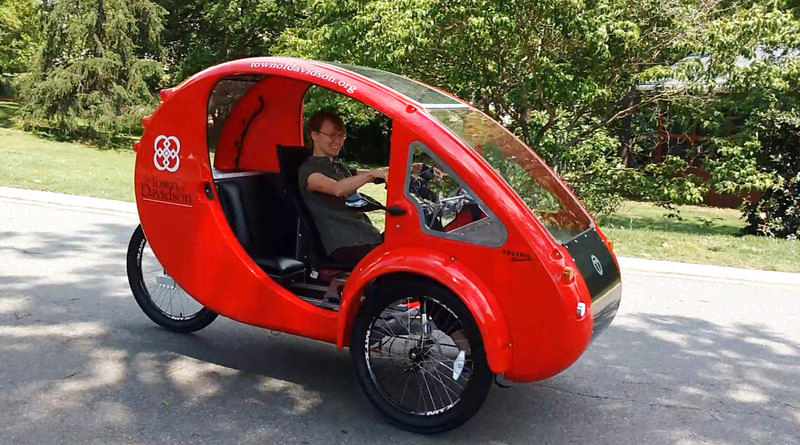
It is called the ELF, and it is a cross between an e-bike and an electric car. ELF stands for Electric, Light and Fun. Watch the YouTube videos of this vehicle and you will believe it straight away. This innovative vehicle promises to revolutionise both the cycling world and the transport world.
A Revolution in Transport
The world of transport and mobility is changing fast. Meanwhile, traditional fuel vehicles are seen more and more as polluting, expensive and, for many trips, completely unnecessary. Many people travel less than 50 km a day to and from work. So there are plenty of ways to travel that are greener than a car.
So the ELF is a vehicle that makes this possible. With its unique design and innovative features, the ELF offers a sustainable alternative to the car for short and medium distances.
What Is the ELF? An E-Bike and Electric Car in One
The ELF is basically an ordinary recumbent bike, complete with handlebars, pedals and hand brakes. But what sets the ELF apart is its lightweight cockpit, fitted with solar panels on the roof to charge the batteries while you ride or when it is parked. In addition, the pedal assistance helps you along. At times it can even take over completely, when the rider wants a rest or the hill is too steep to climb.
Solar Power and Pedal Assistance
The solar panels on the roof of the ELF charge the batteries, which greatly extends the vehicle’s range. On a full battery, the ELF can travel about 32 km without pedalling. With pedal assistance, however, this can go up to 50 km. In sunny weather, the solar panels can stretch the distance even further.
Handmade and Sustainable
The Organic Transit factory in Durham assembles most of the ELF by hand. As a result, this attention to detail and craftsmanship makes every ELF high quality and long-lasting. The focus on sustainability also covers the production process. So the ELF is not only an eco-friendly way to travel, but it is also made in a sustainable way.
Benefits of the ELF
The ELF has many benefits over traditional vehicles and even other e-bikes. Here are some of the main ones:
- Eco-friendly. The ELF uses solar power and pedal assistance, so it relies less on fossil fuels.
- Cost-saving. By using solar power and avoiding fuel costs, the ELF can save a lot of money in the long run.
- Health benefits. Cycling with pedal assistance is an excellent way to stay active and improve your health.
- Flexibility. The ELF is ideal for urban areas and short to medium distances, which makes it a versatile way to get around.
- Ease of use. The lightweight build and the option to both pedal and ride make the ELF easy to use for people of all ages.
The Future of Urban Mobility
The ELF marks an important step in the evolution of urban mobility. By combining bike and car technology, the ELF offers a unique and sustainable alternative to traditional transport. Besides, space and environmental issues are a growing concern in cities. The ELF is a solution that is both efficient and eco-friendly.
A Step Towards Sustainability
Because climate change is becoming more urgent, we need to cut greenhouse gas emissions. In that context, the ELF plays a crucial role in the shift to more sustainable transport. It can harness solar power and offers pedal assistance. This makes the ELF not only an innovative vehicle, but also a symbol of a sustainable future.
The ELF is more than just an e-bike or an electric car. It is a revolutionary vehicle that could change how we think about mobility. With its mix of solar power, pedal assistance and sustainable production, the ELF offers a unique and eco-friendly alternative for short and medium distances. Whether you want to make your commute greener or simply want a fun and innovative way to get around, the ELF is an exciting and sustainable option.
ELF Video:
De Fietssite is very enthusiastic about it. What do you think?
Is the Netherlands ready for vehicles like this? Or will we also have to do something about our infrastructure?
In other countries, more and more cycle highways are being built or already exist.
Is something like that possible in the Netherlands too?


