EU Extends Policy to Curb Chinese E-Bikes
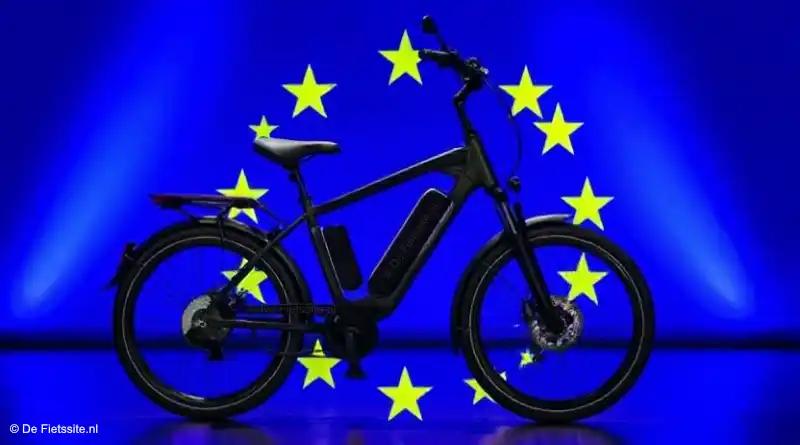
The European Union (EU) has announced that it will extend its anti-dumping and anti-subsidy duties on Chinese e-bikes by five years. The policy started in 2019. It aims to protect the European market from unfair competition and the dumping of cheap e-bikes from China. According to the EU, these measures are essential to protect the European e-bike industry and its jobs.
Why these measures against Chinese e-bikes?
The policy came in after complaints from European trade unions, bike manufacturers and smaller companies. They fear that Chinese e-bike makers gain an unfair competitive advantage through extremely low prices and illegal government subsidies. This phenomenon, known as “dumping,” exposes European companies to unhealthy competition. With anti-dumping and anti-subsidy duties, the EU wants to create a level playing field and safeguard the viability of the European e-bike industry.
Dumping duties per company
The anti-dumping duties vary by company:
- Giant Vehicle: Up to 33.4 per cent.
- Bodo Vehicle Group: Up to 73.4 per cent.
- Other manufacturers: Often around 79.3 per cent.
These duties should protect European companies from the low prices that Chinese manufacturers use to dominate the market. They also help to keep European jobs and keep the industry investing in technological innovation and sustainability.
Reactions to the policy
Many European companies welcome the extension. However, there is also criticism. For example, the trade association LEVA-EU says the measures could slow down electric mobility in Europe. The organisation fears that e-bike prices will rise. As a result, consumers will have less choice and climate goals will be harder to reach.
LEVA-EU also stresses that some European manufacturers depend on Chinese-assembled e-bikes as the basis for their vehicles. For these companies, the duties may be an obstacle rather than an advantage.
The impact of the policy
According to the EU, the 2019 measures have paid off. The policy has brought new players to the market, encouraged investment in technological development and promoted sustainable production methods. In addition, the European e-bike industry employs around 12,000 people, which is an important contribution to the green transition and sustainable mobility in Europe.
The EU also says the measures contribute to a fairer trading environment. For example, importers must verify that their suppliers are legitimate. Suppliers may not ship Chinese e-bikes through third countries under another name.
Benefits for Europe
- Protecting jobs: The e-bike industry provides work for tens of thousands of people.
- Encouraging innovation: European manufacturers invest more in technology and sustainability.
- Fair competition: The policy stops Chinese manufacturers from dominating the market with unfair practices.
- Green transition: Boosting European production helps to meet climate goals.
Concerns about higher prices
Critics point out that the policy raises e-bike prices, which makes electric mobility less accessible to consumers. This could slow e-bike sales in Europe and the shift to more sustainable transport. Still, the EU stresses that the policy is necessary to keep the European e-bike industry healthy in the long term.
The future of the e-bike industry
With the extension of the anti-dumping measures, the EU wants European manufacturers to keep competing and innovating. The policy supports the industry, and it also contributes to broader goals for sustainability and mobility. The next five years will be crucial to see how these measures affect the growth and stability of the European e-bike market.


