Six Tips to Stop Squeaking Disc Brakes for Good
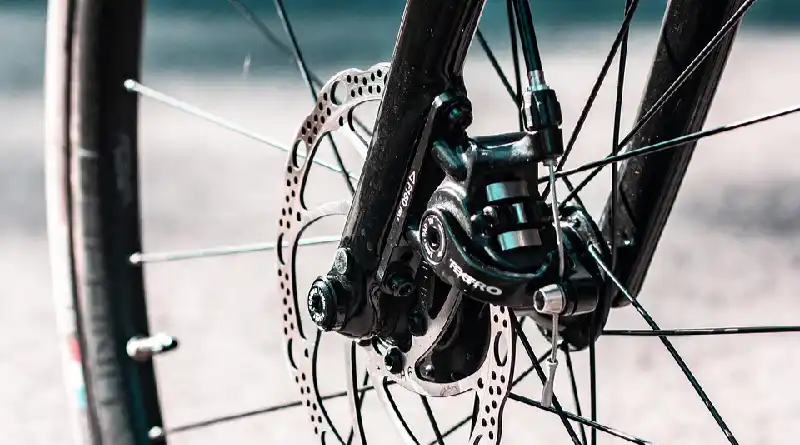
Nothing annoys other cyclists like squeaking disc brakes. The noise can warn other traffic if you have no bell, but mostly it is just irritating. Roel Peerenboom of Peerenboom Fietsen shares six effective tips to fix the problem.
Why Do Disc Brakes Squeak?
Noisy brakes are a common problem for cyclists, especially in wet and cold weather. Vibration between the brake disc and the brake pads, dirt or wrong fitting often cause it. But luckily, there are ways to fix it.
1. Use Stiffer, High-Quality Brake Discs
Not all brake discs are the same, so choose high-quality discs that are stiffer. Also, avoid discs marked resin only. These are softer discs designed specifically for resin brake pads. Harder discs combined with the right pads also reduce vibration and squeaking.
2. Fit Softer Brake Pads to Fix Squeaking Disc Brakes
Brake pads play a big role in reducing the noise. Metal pads last longer, but they are more likely to squeak, especially in winter. Softer resin pads make less noise and give better grip, especially in wet weather.
3. Check the Fitting and Alignment
A badly aligned caliper or loose parts can cause vibrations that make the squeaking worse. Check that:
The caliper is well aligned with the disc.
The bolts of the brake disc and caliper are tight.
The disc is straight and not bent.
A well-fitted brake therefore prevents too much movement and reduces squeaking.
4. Bed In Your Brakes Properly
New brake discs and pads need bedding in. As a result, the surfaces shape themselves to each other, which minimises vibration and squeaking. An effective way to do this:
Ride at about 25 km/h and brake lightly for two minutes.
Avoid sudden braking in the first rides, so the pads wear in evenly.
5. Keep the Brakes Clean and Grease-Free
Dirt and grease on the brake discs can stop the pads from gripping properly, which can cause squeaking. So clean your discs and pads regularly:
Use a good degreaser without wax or residue.
Also clean the holes and edges of the discs thoroughly.
Lightly sanding the discs can also help remove stubborn dirt.
6. Greasy Pads? Replace Them!
If your pads and discs have become greasy, it is almost impossible to get them fully clean. Because brake pads are slightly porous, grease and oil soak into the material. In that case, your best option is to:
Replace the brake pads.
Degrease the discs thoroughly, or replace them if they are damaged.
Conclusion
Squeaking disc brakes can be very annoying, but luckily there are several ways to fix them. By choosing the right materials, fitting them correctly and doing regular maintenance, you prevent the annoying noise and keep your braking at its best.


