Cycling in the Future: Innovations We Can Expect
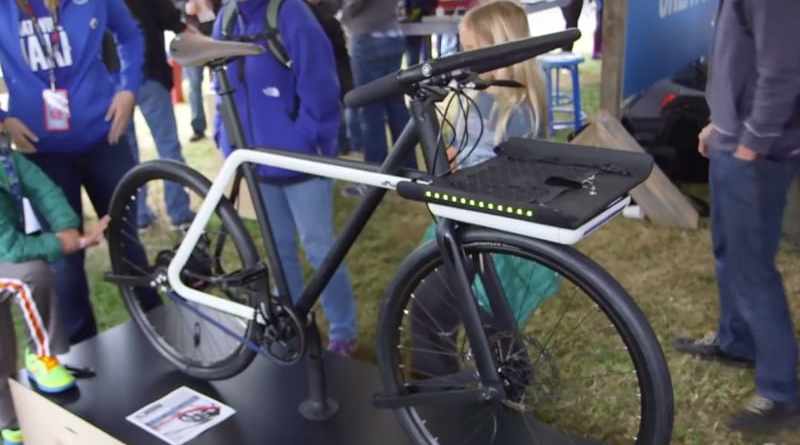
For more than a century, the bike has been an essential means of transport, and it keeps developing. With advances in technology and design, bike developers today and tomorrow look for ways to make the bike safer, more efficient and greener. Let us look at some of the exciting innovations that we can expect in the future of cycling.
Advanced Lighting and Safety in the Future of Cycling
One of the main focus points when designing the bike of the future is safety. Innovative lighting technology plays a crucial role here. Modern bikes already have LED lights that are more efficient and durable than traditional lamps. In the future, bikes will have even more advanced lighting options, including:
- Smart Lighting: Lights that switch on and off automatically depending on the light conditions. This technology can also adjust the intensity to avoid dazzling oncoming traffic.
- Integrated Brake Lights: Just like on cars, future bikes may have brake lights that light up automatically when the bike slows down. This warns other road users and improves safety.
- Side Lighting and Projectors: Some concepts include side lights or projectors that create a path of light on the road. This makes the cyclist more visible and warns other road users of their presence.
Easy Maintenance
Another important part of the future of cycling is ease of maintenance. Traditional chains can be greasy, need regular lubrication and wear out. Many developers therefore look at alternatives such as the toothed belt, which has several advantages:
- Low Maintenance: Toothed belts need less maintenance than traditional chains and do not need lubricating.
- Durability: Belts are more durable and last longer, which reduces the need for frequent replacements.
- Quiet Ride: Compared with chains, belts give a quieter ride, which makes cycling more comfortable.
Innovative Security Solutions
Theft remains a big problem for bike owners, and the bike of the future tackles this problem with smart security solutions. One striking concept is the handlebar that doubles as a lock:
- Handlebar-Lock Combination: Developers have introduced the idea of a handlebar that also works as a lock. When you park the bike, you can detach the handlebar and use it to lock both wheels, so the bike is safe from theft.
- Integrated Alarms: Future bikes may also have alarms that go off when someone moves the bike without the right key or code.
- GPS Tracking: You can build in GPS tracking technology to locate stolen bikes and improve the chance of getting them back.
Eco-Friendly Materials
With a growing focus on sustainability and the environment, future bikes will probably use durable and recyclable materials. Think of:
- Bio-Based Plastics: Manufacturers can make bike parts from plastics made of renewable sources such as maize or sugar cane.
- Recycled Aluminium and Steel: Using recycled metal for frames and other components reduces the carbon footprint of production.
- Renewable Energy: Bikes with built-in solar panels can power accessories such as lights and navigation systems without extra batteries.
The bike of the future promises to combine advanced technology with sustainable design. By improving safety, ease of maintenance, security and eco-friendliness, future bikes will be more attractive and accessible to a wide range of users. As we look forward to these innovations, the bike remains a symbol of efficient, healthy and eco-friendly transport.


