Light or Durable Groupset: How to Choose
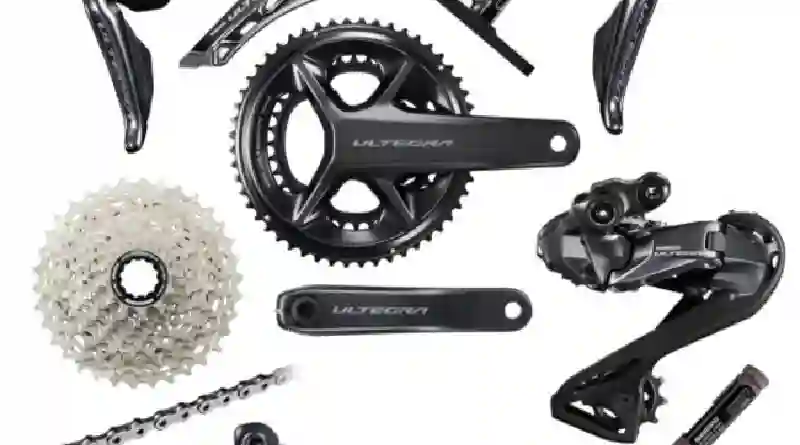
When you buy a new bike or want to upgrade an existing one, you soon end up with the same question: light or durable groupset? At first sight, this looks like a choice between sportiness and sturdiness, but in practice much more is involved. The type of bike, the way you ride, the weather, your willingness to do maintenance and even the route you usually take together decide the smartest choice. A light groupset often feels more direct, faster and more refined. A durable groupset scores on durability, predictability and lower running costs in the long term. So there is no universal best option. The right choice depends on your own use profile, and not only on what is lighter, more expensive or more modern on paper. If you understand this difference well, you avoid a costly mistake and choose a drivetrain that suits your cycling pleasure for years.
What Is a Groupset Exactly?
By groupset, cyclists usually mean all the parts responsible for drive, shifting and braking. Think of shifters, derailleurs or hub gears, cassette, crankset, chain and often brakes too. On road bikes and gravel bikes, these are usually complete sets from one maker, while city bikes and e-bikes more often use a combination of a hub gear, mid-drive motor, chain or belt and hydraulic brakes. So the light or durable groupset you choose decides not only how light a bike rides, but also how smoothly you shift, how much maintenance is needed and how long parts last. This matters most on e-bikes, because the drivetrain takes extra load there from the higher weight and the motor torque. The Fietsersbond, the Dutch cyclists’ union, points out, for example, that a hub gear is often a logical choice for an e-bike in the Netherlands, while in hilly terrain other systems sometimes suit better. The union also stresses that derailleur parts pick up dirt and wear faster than closed systems.
When Is a Light Groupset the Best Choice?
A light groupset is mainly interesting for cyclists who care about performance. That applies to road racers, sporty gravel riders and keen recreational cyclists who ride many kilometres and value a direct feel. You notice less weight mainly when accelerating, climbing and speeding up. In addition, makers often design lighter groupsets with more focus on shifting speed, ergonomics and a crisp shifting feel. That makes the bike livelier and more precise, especially when you set the pace or change rhythm often. Makers also often fit high-end sporty groupsets with technologies that improve chain stability on rougher terrain. Shimano, for example, describes how SHADOW RD+ reduces chain slap and so helps limit damage or unrest on bumpy ground. That kind of technology is mainly interesting for gravel, mountain-bike-style routes and sporty use where control counts. A light groupset is therefore mainly logical when your priority is efficiency, sporty riding behaviour and a sharp steering and shifting feel.
Even so, light is not automatically better. Many cyclists let themselves be tempted by specifications, while they mainly use their bike for commuting, shopping or relaxed rides in all weather. In that situation, a lighter groupset often gives less advantage than you might think. The difference of a few hundred grams sounds impressive in a brochure, but in daily use you notice ease of maintenance, reliability and wear resistance far more. With mudguards, bags, locks, lighting and perhaps a child seat, the benefit of pure weight loss quickly fades into the background. A light groupset therefore pays off mainly when your riding style really calls for it.
When Is a Durable Groupset Smarter?
A durable groupset is usually the safest choice for cyclists who mainly want to ride without worry. These include e-bike users, city cyclists, commuters and recreational cyclists who prefer to do little tinkering. In the Netherlands, with plenty of rain, short rides, stop-and-go traffic and bikes that often stand outside, durability is often more important than pure weight. A closed hub gear then has clear advantages, because the internal parts come into less contact with water, sand and street dirt. The Fietsersbond therefore calls hub gears and belt drive attractive for bikes that should need little maintenance. The ANWB, the Dutch motoring association, also stresses that well-working gears are closely linked to correct maintenance and adjustment, something that is often less sensitive in simple, robust systems than in sporty drivetrains.
With a durable groupset, it is not only about “heavier”, but above all about a system designed to stay intact for a long time in realistic conditions. Think of sturdier materials, wider tolerances, less delicate adjustment and parts that better resist load. For e-bikes, this is even more relevant. Because of the motor, more force acts on the chain, sprockets and brakes. You then do not want a groupset optimised mainly for low weight, but a system that can handle daily force peaks well. A durable groupset often gives more peace of mind in use. You need to adjust less often, wear comes less abruptly and replacement is often more predictable. For many cyclists, that simply means less hassle and lower costs per kilometre.
Light or Durable Groupset: Each Bike Asks for Something Different
The mistake many buyers make is to apply one ideal groupset to all bikes. That does not work. A sport bike asks for different qualities than an electric city bike or a trekking bike for daily use. On a road bike or fast gravel bike, a groupset may well be light, crisp and performance-oriented. Efficiency, shifting speed and weight saving really count there. On an e-bike, it is different. The drivetrain and brakes take more load there, so durability usually weighs more than pure weight. The Fietsersbond therefore says that a hub gear on an electric bike in the Netherlands is often a good choice, although hills and sportier terrain can be a reason to look at other solutions.
For a city bike or commuter bike, the practice is even clearer. That bike must start after a rainy night, shift without trouble with little maintenance and not be thrown off by dirt or long periods outside. In that segment, a durable groupset is almost always wiser than a light one. That does not mean you must choose the heaviest or simplest technology. It does mean that reliability, ease of maintenance and availability of parts should often weigh more than a sporty look. If you ride daily, you notice trouble-free kilometres more than a few hundred grams of weight difference.
Weight Versus Lifespan
Weight shows up in spec lists, but lifespan only shows after months or years. That is why many cyclists underestimate wear behaviour when they weigh a light or durable groupset. Lighter groupsets more often use materials and designs aimed at performance. That can work excellently, but it often also needs more precise maintenance. A durable groupset is often more forgiving. It keeps shifting neatly for longer if the bike goes without a big service for a while, and parts are sometimes cheaper to replace. The Fietsersbond also warned earlier about certain sporty 1x derailleur set-ups on ordinary fast bikes, because some sprockets can then wear extra quickly. That underlines that modern or sporty is not always automatically the most durable choice for daily use.
On top of that, maintenance costs not only money but also time. The ANWB says a service can easily cost between about 50 and 100 euros, depending on what has to be done. If you choose a system that needs adjusting or replacing more often, running costs creep up unnoticed. A lighter groupset can therefore feel good at purchase or on the test ride, but turn out more expensive in the long run if your riding style and maintenance rhythm do not match it.
Maintenance Makes the Difference
Whichever you choose, a light or durable groupset, maintenance stays decisive. A durable groupset that you neglect will still shift badly. A light groupset that you clean neatly and adjust in time can last surprisingly long. The ANWB advises, among other things, looking after the chain and gears well, while Shimano stresses that correct checks, lubrication and following product specifications are essential for safety and performance. Shimano also mentions the importance of torque wrenches and correct adjustment, especially with modern components.
For daily cyclists, the practical question is therefore: do you want to tinker yourself, or do you mainly want to ride? If you like polishing, adjusting and keeping your kit sharp, you can live well with a lighter, more performance-oriented groupset. If you do not feel like it, you usually do better with a more durable system that needs less attention. On e-bikes in particular, it is not only the mechanics that matter, but also software and system integration. Shimano points out, for example, that firmware updates and digital settings are also part of good e-bike maintenance.
How Do You Choose a Light or Durable Groupset in the Shop?
A good choice does not start with the question of what is most expensive or lightest, but with the question of how you really ride. Do you mainly ride short trips in town, in wind and rain, with luggage or children? Then a durable groupset with a focus on low maintenance is usually the best investment. Do you ride long distances, like to climb, ride sportily or look for a direct and refined feel? Then a lighter groupset may sit higher on your wish list. Also look at how it combines with the rest of the bike. A high-end groupset on a bike with heavy accessories and everyday use often adds less than you think. Conversely, a sporty bike with too simple a drivetrain can limit riding pleasure.
In the shop, therefore, ask not only about the number of gears or total weight, but also about maintenance intervals, expected wear, availability of replacement parts and suitability for your use. That often gives more useful information than a model name alone. Also look at the brakes. On e-bikes and heavier bikes in particular, braking performance should be part of the same decision. In its information on hydraulic disc brakes, Shimano points out that correct adjustment and maintenance are crucial for consistent braking. Choosing a durable groupset can therefore never be separated from safety.
Conclusion: Do Not Choose What Sounds Best, but What Fits Best
Choosing a light or durable groupset is in the end not a contest between two camps, but a practical trade-off. A light groupset suits cyclists who want performance, speed and a refined feel. A durable groupset suits cyclists who mainly value reliability, low maintenance and a long lifespan. For sport bikes, light often makes sense. For e-bikes and city bikes, durable is usually smarter. If you take that difference seriously, you buy more precisely, ride more happily and avoid disappointment after the first months. The best groupset is not the most impressive on paper, but the drivetrain that fits your rides, your conditions and your expectations.
Relevant non-commercial sources for more depth are the Fietsersbond on gear choice and maintenance, and the ANWB on adjustment and basic bike care.
After looking at choosing a light or durable groupset, a few practical questions often remain. Below, we answer the most common ones.
Frequently Asked Questions About Choosing a Light or Durable Groupset
Is a light groupset always better?
No, a light groupset is not automatically better. For sporty use, it can give a big advantage in feel, acceleration and shifting precision. For daily commuting, e-bikes or city bikes, a more durable groupset is often smarter, because it usually scores better on lifespan, ease of maintenance and reliability.
Which groupset suits an e-bike best?
For many e-bikes, a durable groupset is the best choice. An e-bike loads the chain, sprockets and brakes harder because of the extra weight and motor force. As a result, robust parts and low-maintenance systems are often more suitable than light, performance-oriented solutions made mainly for sporty bikes.
Do you really notice the difference between light and durable while riding?
Yes, but the kind of difference is not what many people think. A light groupset often feels more direct and livelier, especially when riding sportily. A durable groupset stands out because it keeps working calmly, is less sensitive to dirt or wrong adjustment and often lasts longer without trouble.
Is a more expensive groupset also more durable?
Not always. A more expensive groupset is often lighter, more refined and technically more advanced, but not necessarily better able to take intensive daily use without much maintenance. Durability depends on material, design, load, maintenance and the type of bike the groupset is used on.
What is wiser for commuting?
For commuting, a durable groupset is usually wiser. You gain more from reliability, low maintenance needs and predictable wear than from minimal weight. In Dutch conditions in particular, with rain, dirt and many short rides, a robust drivetrain often gives the most ease.


