Last Year the Netherlands Had 22.7 Million Bikes
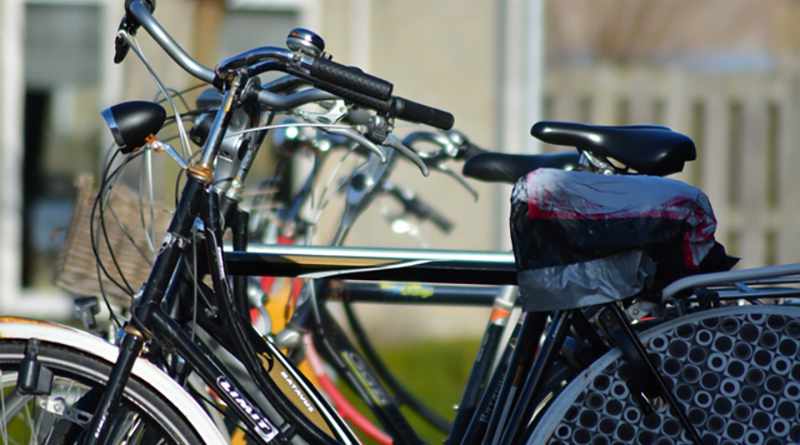
Last year, the Netherlands had about 22.7 million bikes. That is 200,000 more than the year before. On average, each Dutch person has 1.3 bikes. In 2014, the country had 22.5 million bikes, according to an estimate by BOVAG, the Dutch mobility trade association.
From 16 Million to 22.7 Million Bikes
Twenty years ago, there were still 16 million bikes in the Netherlands. With a population of 15.5 million people, that meant slightly more than one bike per person. This growth shows how important bikes are in the daily lives of the Dutch. People use bikes for commuting, leisure and sport. BOVAG estimates the number of bikes from population growth and the number of households. “We cannot give exact numbers, because bikes simply do not have a number plate and so nobody registers them centrally,” says a BOVAG spokesperson.
Bike Sales
Sales of new bikes have fallen gradually for several years. However, according to BOVAG, people do not scrap old bikes one for one. Many Dutch people choose to keep their old bike, even when they buy a new one. As a result, the bike population keeps growing.
The Popularity of E-bikes
The trade association also sees that the Dutch cycle more every year. One reason is the rising popularity of electric bikes. E-bikes make it possible to ride longer distances without too much effort. As a result, more and more people choose an e-bike. In 2015, sales of these e-bikes rose by 23.6 percent. In total, shops sold 276,000 electric bikes, while the total number of bikes sold fell by 6.4 percent.
A Trend in Cycling Culture
Besides e-bikes, road bikes are also becoming more popular. More and more people discover the benefits of cycling for their health and as a sustainable way to travel. This adds to the overall cycling culture in the Netherlands. The trend shows that the bike is not only a means of transport, but also a lifestyle.
Impact on the Environment
The growing number of bikes also has a positive impact on the environment. By cycling more, the Dutch cut their CO2 emissions and help to clean the air. The switch from car to bike, especially in urban areas, helps reduce traffic jams and makes the city more liveable.
Cycling Infrastructure
The Netherlands is known worldwide for its excellent cycling infrastructure. Cycle paths, cycle bridges and safe bike parking make cycling attractive and safe. This infrastructure plays a crucial role in the popularity of cycling in the Netherlands. Municipalities keep investing in bike-friendly solutions to encourage cycling.
The Future of Cycling in the Netherlands
The future of cycling in the Netherlands looks bright. Innovations in bike technology, such as lighter materials and better batteries for e-bikes, make cycling more and more attractive. In addition, governments and organisations such as BOVAG keep working to improve cycling infrastructure. As a result, cycling will remain an important part of Dutch culture and transport strategy.


