The Netherlands, Cycling Country: The Future of Cycling
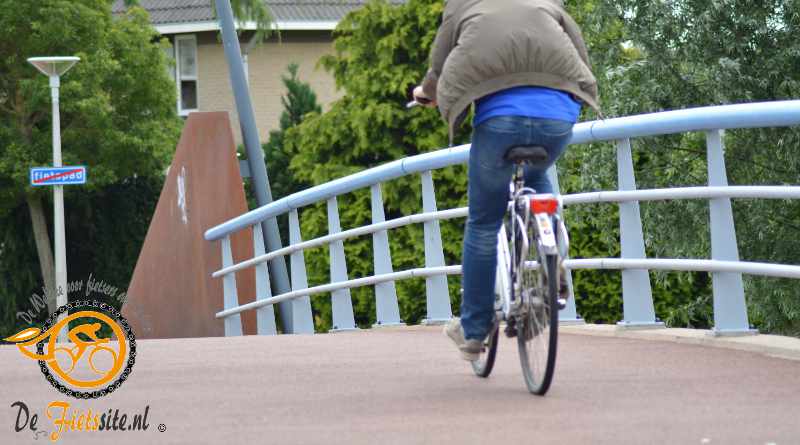
The bike is an indispensable part of our daily life and has a big influence on the look of our country. But is this unique culture future-proof? Meanwhile, our cities are getting busier, and the number of bike trips, both in cities and in the regions, is growing. The Netherlands will have to take steps to keep supporting the bike and to prepare for coming developments. What role will the bike play in the future, and how do we plan our cities and regions for it? What place will e-bikes and cargo bikes take? How can we keep or strengthen the existing quality of our spaces? In short, what does the Netherlands need to stay ahead as a cycling country?
Facts and Figures
- The average Dutch person cycles 2.9 km a day.
- 25% of bike trips are to or from work.
- In 2014 there were already 1.4 million electric bikes.
- The total length of cycle paths in the Netherlands is 35,000 km.
- 240,000 people in the Netherlands take part in road cycling.
- The average price of a new bike has fallen in recent years, but the number of new bikes sold is rising.
- In 2015 the Netherlands had about 2,655 bike shops. That is 16 shops per 100,000 inhabitants.
- The Netherlands imports more and more bikes, while exports have stayed the same in recent years.
- 98% of exported bikes go to Europe.
- 40% of imported bikes come from Asia.
Cycling Infrastructure and Recreation in a Cycling Country
Thousands of kilometres of paths and roads, 30,000 km of them separate cycle paths, open up Dutch nature to cyclists. A unique nationwide route network covers it. It lets people discover and enjoy the varied landscape to the full, with the national long-distance cycle routes (LF-routes) for long trips and connecting node routes for day trips. Thousands of places to stay, restaurants and cafés, plus museums and attractions, mean you can get off the bike as well as on it. The Netherlands is a cycling country. Touring by bike in the Netherlands means actively enjoying nature. We do it in huge numbers: last year people made 200 million leisure bike trips in the Netherlands and spent € 450 million along the way.
Challenges and Opportunities
So far, nothing new. After all, it is all very obvious. It is almost too obvious that we think of the Netherlands as a cycling country. However, other, lesser-known cycling countries embrace cycling in their tourism marketing and invest extra in it. In the Netherlands, fragmentation is a threat. First, the supply is fragmenting, and quality could decline. Information and promotion are also fragmenting. Every region or province calls itself the cycling region or province. That is fine for keeping each other sharp. But at the same time, few people see that we can gain extra value from the fact that together we are one unique cycling country. As a result, we miss promotion opportunities, for domestic but certainly also for incoming tourism. Our neighbours, the Germans and the Belgians, have discovered cycling in huge numbers.
The Future of Cycling in the Netherlands
To make sure the Netherlands keeps its status as a cycling country, and even strengthens it, we need to take a number of important steps:
- Better infrastructure. We already have an extensive network of cycle paths, but there is always room for improvement. This means wider cycle paths, better lighting and safer crossings.
- Encouraging e-bikes and cargo bikes. Electric bikes and cargo bikes are getting more and more popular. Therefore, it is important to support this trend with enough charging stations and special parking.
- Maintenance and quality. Regular maintenance of cycle paths and facilities is crucial. This prevents decline and so keeps cycling attractive.
- Joint promotion. Working together at national level to promote the Netherlands as a cycling country. For example, this can happen through campaigns aimed at both domestic and international audiences.
- Education and awareness. Making people aware of the benefits of cycling, for both their health and the environment. For instance, this can be done through information campaigns and educational programmes.
- Innovation. Investing in new technologies and innovations that make cycling even more attractive and safer. Think of smart cycle paths, advanced bike locks and apps that help cyclists find the best routes.
The Netherlands has the potential to strengthen its status as a cycling country even further. By investing in infrastructure, innovation and promotion, we can make sure the bike plays an even bigger role in our daily life and in tourism.


