Older People Often Struggle to Handle an Electric Bike
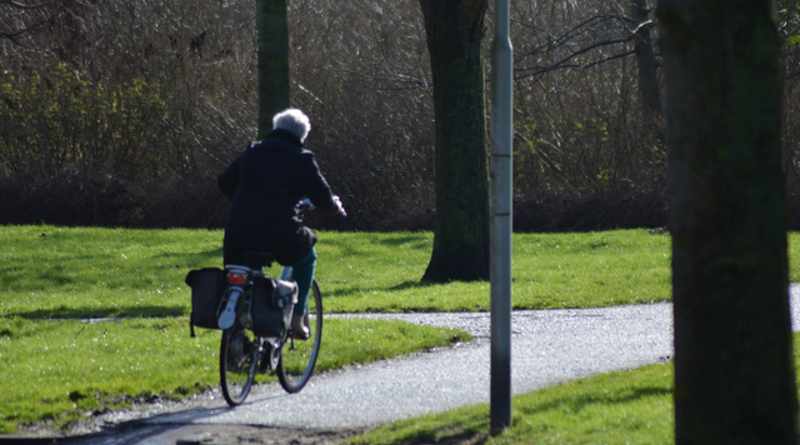
Electric bikes are hugely popular, especially with older people. However, they do not always know how to handle them, and that can have disastrous consequences.
In 2015, relatively many older people had an accident on their electric bike or mobility scooter. That is worrying, but why does it happen?
Older People Are Surprised by the Speed
Bernard Heijsman, a cycling instructor at the Fietsersbond (the Dutch cyclists’ union), calls the trend logical: “Seniors are often surprised by the speed of electric bikes.”
“Many seniors put off buying an electric bike for a long time, because they still get along fine with a normal bike,” says Heijsman, who helps older people switch to electric cycling. “But when they get an electric bike, they do not really know what it can do.”
Gears
E-bikes often have gears, for example, but shops sometimes do not explain how they work. “The bike mechanic does briefly explain what everything on the bike is for, but there are so many functions that nobody can remember them all at once.”
“And that is difficult, because the gears on an electric bike actually work just like those in a car. You would not drive through a residential area in fifth gear either. These are things you really have to learn on an electric bike. We help people to be in charge of their bike, and not the other way round,” says Heijsman.
Cycling More Slowly
To help older people, Heijsman prepares them for traffic. “We teach people to cycle more slowly and to take corners, and we train them to react alertly. We also help them with things like getting on and off, because that still goes wrong now and then, especially in unexpected situations.”
For example, they jump off the bike and the pedals hit their ankles. “But try teaching someone who has got off the same way for 30 years to do it differently. That is hard,” says Heijsman.
Compulsory Helmets
And what about compulsory helmets? “I do not think it makes sense to make them compulsory. Some seniors would stop cycling altogether if they had to wear a helmet, and that is not good either. But of course, it is safer to cycle with a helmet on.”
Heijsman also has a tip to help older people get on the road safely. “To prevent accidents, it is very important that people keep cycling regularly, so they stay familiar with traffic and with the bike itself. We see that those who do this have far fewer problems on the road.”
Source: RTL Nieuws


