Road Bikes That the Pros Use to Win Their Races
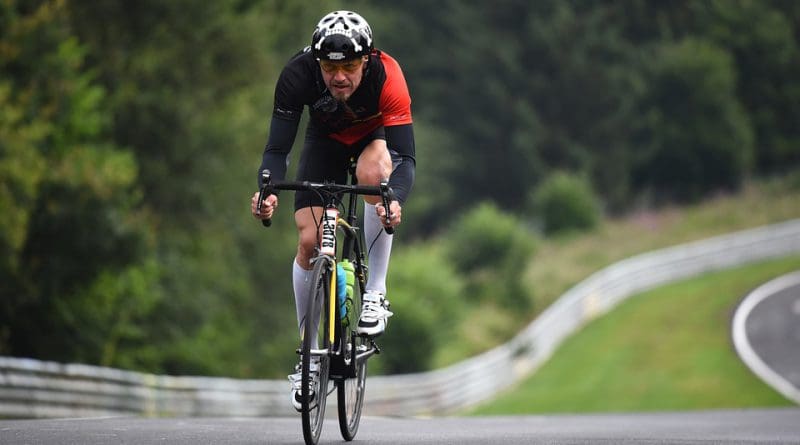
Road cycling is an accessible sport, with a bike available for every budget and every type of rider. Whether you tour every day to stay active or train for a brutal Gran Fondo like the Marmotte, there is a road bike to match your plan. But even pro road bikes are available in your local bike shop!
Pro road bikes for performance-minded riders
All brands roughly distinguish 3 types of road bike. Looking at the types of stage the pros ride, these are: climbing bikes for mountain stages, aero bikes for flat stages, and performance bikes for stages with, for example, cobbles or gravel strips. What always applies to all these road bikes is that the pros ride with the best possible build. What does that mean? Brands use Shimano or SRAM gear components. For Shimano riders, makers fit pro bikes with Shimano Dura-Ace Di2 components. SRAM’s top series is the SRAM RED eTap AXS series. Both series are electronic. These series also have disc brakes and often a built-in power meter, so riders can read the power they produce on their bike computer.
Besides the build of the shifting and braking components, the materials aim for top performance too. That means the materials are as light and aerodynamic as possible. Trek road bikes, for example, come in different kinds of carbon (or aluminium for road bikes on a smaller budget). Makers build the best road bikes with the best kind of carbon and the most working hours, to make them as light and fast as possible.
Finally, wheels and tyres also play a role. Depending on the course, riders choose the best wheels for the conditions. It is always a combination of fast, light and durable. When they head into the mountains, lightness is the most important factor. Flat stages call for aerodynamic rims, so you generally see deep rims. And Paris-Roubaix-style courses call for sturdy, durable wheels. Tyres must give as little rolling resistance as possible and still be sturdy enough to prevent punctures.


