RAI Vereniging on Coalition Agreement: Good Basis, Time to Act
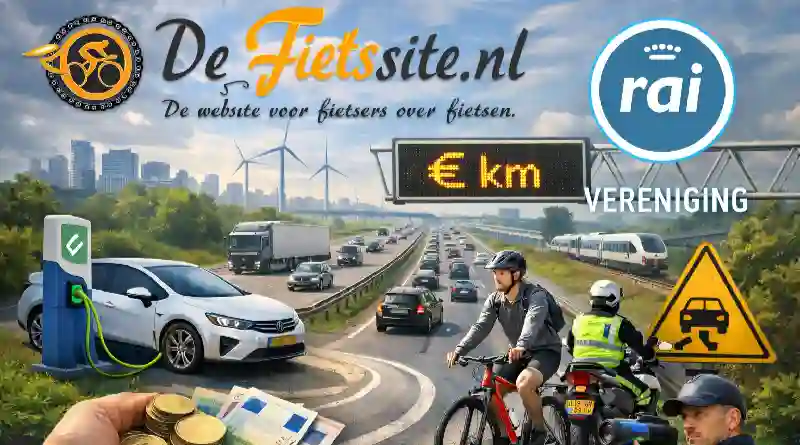
RAI Vereniging coalition agreement: the plans show ambition but lack concrete choices. The RAI Vereniging (the Dutch mobility industry association) sees the new coalition agreement as a reasonable basis for the future of mobility in the Netherlands. However, it stresses that it is now time for clear choices and concrete action. The industry body says the plans have ambitions for innovation and sustainability. However, they fall short on accessibility and affordability. These aspects are crucial to keep the Netherlands moving.
Chairman Frits van Bruggen stresses that stable and predictable government policy is necessary. Without clear long-term choices, people and firms invest less in green mobility. According to RAI Vereniging, that slows the shift to cleaner and more efficient transport.
Stable policy and car taxes as a precondition
A key concern for RAI Vereniging is fiscal policy on car taxes. The industry body calls on the coalition parties and the opposition to keep policy consistent. Then the market knows where it stands. Uncertainty about taxes and rules holds back investment. Yet big steps towards a greener vehicle fleet are needed right now.
The plans leave room for electric driving. However, RAI Vereniging sees a missed opportunity: they do not spell out pay-per-use. This system can make driving fairer and also help secure future government income.
Pay-per-use gets too little attention
According to RAI Vereniging, leaving out pay-per-use is a clear missed opportunity. In such a system, drivers pay for what they actually use. This is fairer and leaves room for an environmental component. As a result, the government can steer towards sustainability without making mobility needlessly expensive. The lorry charge that starts in mid-2026 shows that this works in practice and can serve as an example.
RAI Vereniging coalition agreement: investment in infrastructure is a good first step
The industry body likes the plans to expand charging points and keep electric driving attractive for tax. These steps are essential for a move to zero-emission mobility. RAI Vereniging sees the announced 1.5 billion euros for infrastructure as a first step. However, it is not enough to solve future bottlenecks for good.
Road safety and fatbikes
The industry body welcomes the attention to road safety in the coalition agreement. At the same time, it doubts that a separate vehicle category for fatbikes is feasible. According to the industry body, the solution lies in stricter enforcement and responsible behaviour, not in new categories and extra rules.
The mobility sector is crucial for the economy and resilience
The mobility sector plays a key role in the Dutch economy. With annual turnover of around 50 billion euros and 185,000 jobs, the sector contributes directly to the earning power of the Netherlands. On average, businesses invest 13 per cent of their turnover in research and development, which drives innovation and progress. So the sector matters for the economy and for the resilience of the Netherlands.
RAI Vereniging coalition agreement: keep mobility affordable and accessible
According to Van Bruggen, mobility must stay affordable, sustainable, safe and accessible. Freedom to travel is essential for taking part in society, for work, social contacts or care. If mobility becomes too expensive, people end up on the sidelines.
RAI Vereniging therefore argues for a broad approach: keep the car affordable and encourage electric scooters, business use of motorbikes, the lease bike and affordable electric company vans. In addition, workshops and suppliers have an important role. Maintenance, reuse and circular design contribute to a sustainable society. Less red tape helps to make these ambitions a reality.
After looking at the view of RAI Vereniging on the coalition agreement, some practical questions often remain. Below, we answer the most common ones.
Frequently asked questions about the RAI Vereniging coalition agreement
What does RAI Vereniging think of the coalition agreement?
RAI Vereniging sees the coalition agreement as a good basis with ambitions for innovation and sustainability. At the same time, it says concrete choices on accessibility and affordability are missing. So important opportunities remain unused.
Why does RAI Vereniging argue for stable government policy?
Stable policy gives people and firms the confidence to invest in sustainable mobility. Changing rules and taxes create uncertainty and slow down the greening of the vehicle fleet.
What is pay-per-use according to RAI Vereniging?
Pay-per-use is a system where drivers pay based on their actual use. It is fairer, secures future government income and can encourage sustainability through an environmental component.
What does RAI Vereniging think of investment in infrastructure?
It sees the investment of 1.5 billion euros as a good first step. However, more is needed to keep the Netherlands accessible in the long term.
Why is the mobility sector so important for the Netherlands?
The sector generates 50 billion euros in turnover and 185,000 jobs. In addition, firms invest heavily in innovation. This supports growth, sustainability and the international position of the Netherlands.


