Cyclists Value a Good Road Surface Over the Shortest Route
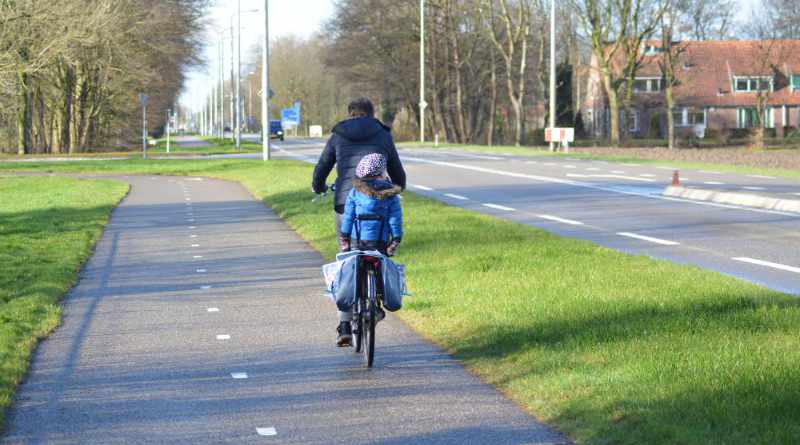
Cyclists value the quality of the road surface more than the shortest route. This is the finding of recent research by Royal HaskoningDHV and Eindhoven University of Technology (TU/e). The research was part of a master’s study by TU/e student Rens van Overdijk. It offers new insights into what affects cyclists’ route choice and their decision to cycle at all.
Why Surface Quality Matters
The research involved 728 participants. It shows that the type of cycle path, the quality of the surface and avoiding slopes on the route affect route choice more than saving travel time. Participants had to choose between different cycle routes. The researchers described these by travel time and aspects of route comfort, such as surface and slopes.
One striking result is that cyclists are willing to take a longer route if it has a better road surface. This highlights how much a smooth, well-kept surface matters for cyclists’ comfort and safety. On longer rides in particular, surface quality turns out to be a crucial factor in route choice.
E-Bike Riders Versus Regular Cyclists
The research also shows that users of electric bikes (e-bike riders) value cycling facilities, such as separate cycle paths, much more than regular cyclists do. This is probably because e-bike riders often reach higher speeds, so they benefit more from safe, well-equipped cycle paths.
Moreover, the influence of surface quality grows as the ride gets longer. This suggests that cyclists who ride longer distances value comfort and safety more, and these aspects link directly to the surface.
Impact on Commuting and Leisure Cycling
The study also shows that saving travel time matters more for commuting than for leisure trips. For people who cycle to work every day, time remains an important factor. Even then, however, they do not underestimate the surface. For leisure cyclists, comfort and route quality play an even bigger role.
In addition, the research shows that route comfort has a positive effect on the choice to cycle. This means a more comfortable and safer cycle network affects not only route choice, but also the decision to take the bike rather than another form of transport.
Implications for Traffic Models
The researchers conclude that traffic models, in which the bike has so far played only a modest role, need to change. They must take the comfort aspects of cycle routes into account. Current models often base the modal split, the share of transport modes such as bike, car and public transport, on fixed ratios. They ignore the quality of the infrastructure and the facilities available.
According to the research, the modal split in traffic models should therefore no longer be fixed. It should link dynamically to the quality of the available cycling infrastructure. This means policymakers and city planners should pay more attention to the quality of cycle paths and their surfaces, because these directly affect cyclists’ choices.
Road Surface Quality Beats a Short Distance
This research underlines the importance of high-quality cycling infrastructure for encouraging cycling. Cyclists, especially those who ride longer distances, value a good road surface more than a short journey time. For policymakers, this means that investing in the quality of cycle paths improves safety and comfort, and can also boost cycling. In the end, this contributes to more sustainable urban transport.
Source: Gazelle


