Robots Can Cycle Too: Watch This Golden Robot Ride
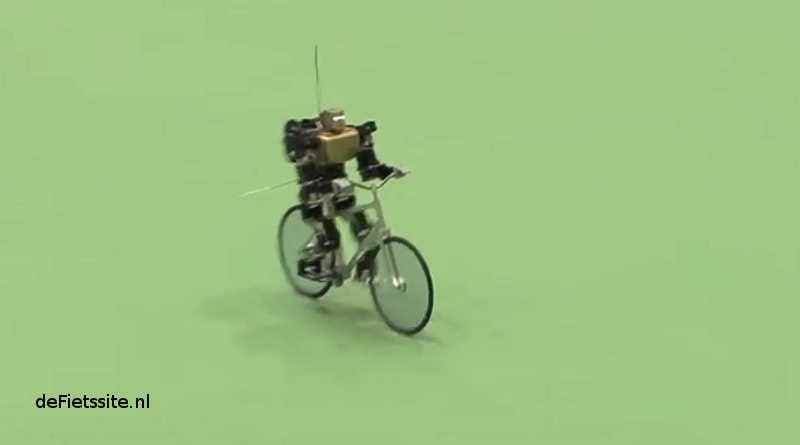
Robots can cycle too. The video below, which we found on YouTube as “Robots Can Cycle Too”, proves it. This funny little golden robot rides a fixed gear as if it has always done it. It even seems to enjoy it. But that is only natural. Cycling makes people happy, so why would a robot not enjoy it too?
Technological progress
The video shows how far people have come with robots and bikes. The technology behind cycling robots is impressive. It shows how far robotics and AI have come. So what could they be used for? Think of autonomous bikes for delivery services or as educational tools.
Applications of cycling robots
Robots that can cycle have several potential applications:
- Delivery services: Autonomous cycling robots could deliver parcels in urban areas, which could raise the efficiency and speed of deliveries.
- Education: Cycling robots can serve as educational tools that teach students about robotics, mechanics and programming skills.
- Recreation and entertainment: Robots on bikes could appear in amusement parks and leisure centres for shows and interactive experiences with visitors.
- Healthcare: Cycling robots could support people with mobility problems by helping them carry small loads or shopping.

How robots can cycle: technical challenges and solutions
Building a robot that can cycle is hard. Balance is one of the biggest, because cycling needs balance control. Sensors and algorithms keep the robot balanced and stable. In addition, the robots must be able to detect and avoid obstacles.
Modern cycling robots use gyroscopes and accelerometers to keep their balance. These sensors detect the angle of lean and correct it automatically by adjusting the steering. AI and machine learning also help the robots to understand their surroundings and find their way.
Prospects for the robots
The future of robots is promising. As the technology advances, the possibilities and applications of these robots will grow. Innovations in battery technology and materials will help to build lighter and more efficient robots. In addition, 5G will help robots to communicate and work together. This will improve their performance and reliability.
Conclusion
The fact that robots can cycle is a fascinating demonstration of technological progress in robotics and artificial intelligence. The applications of this technology are varied and promising, from delivery services to education and healthcare. As we look ahead to the future, we can only stay fascinated by the possibilities that these innovative robots offer.


