Fietsersbond Launches the Paaltjesmelder for Safe Cycle Paths
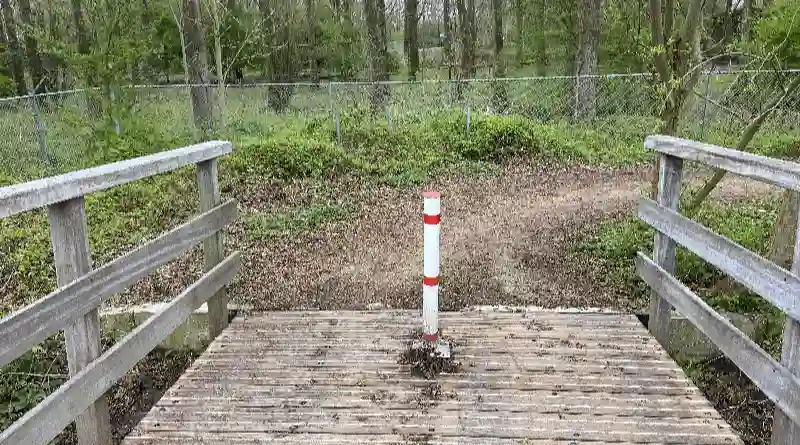
Cycle Path Bollards: From Protection to Danger
Bollards on cycle paths are meant to keep cars out. Unfortunately, in practice they are often a danger to cyclists. Every year, thousands of people are injured when they hit a bollard. The injuries range from bruises to permanent damage. Therefore the Fietsersbond, the Dutch cyclists’ union, is now taking action for safe cycle paths with a smart solution: the Paaltjesmelder (bollard reporter), which lets you report dangerous bollards.
This new feature, available in the app Toertje and at fietsersbond.nl/paaltjesmelder, lets cyclists easily report dangerous and unnecessary bollards. By collecting these reports on a central map, the Fietsersbond wants to improve safety on cycle paths with the help of the Paaltjesmelder.
Why Is the Paaltjesmelder Needed?
According to Jaap Kamminga, strategic policy adviser at the Fietsersbond, many of these bollards are unnecessary. “They cause serious accidents every year, with a big impact on the victims,” says Kamminga. “Tackling the problem starts with mapping where these bollards are. And for that we need the help of cyclists.” However, the Paaltjesmelder only works well if cyclists actively take part.
The Fietsersbond uses the map of reports to convince councils and road authorities that it makes sense to remove, adjust or replace bollards, via the Paaltjesmelder.
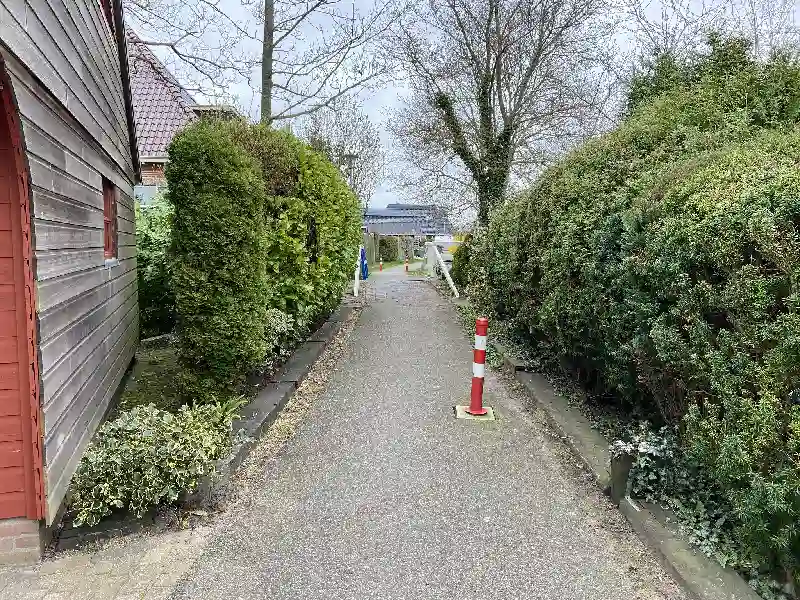
Cycle Path Bollards: An Invisible Danger and Obstacle
Many bollards are hard to see, especially in rain, in the dark or on unfamiliar routes. Besides, they are sometimes in the wrong place or do not meet the guidelines. This leads to:
- Collisions and falls
- Dangerous swerving
- Unsafe situations for children and older cyclists
- Cycle routes that do not suit adapted bikes such as handbikes and tricycles
In other words: these bollards are not only a risk, but also a barrier to inclusive and accessible mobility, which the Paaltjesmelder tries to tackle.
How the Paaltjesmelder Works
Reporting dangerous bollards is easy:
- Open the app Toertje or go to fietsersbond.nl/paaltjesmelder
- Give the location of the bollard
- Add a photo and explanation if you like
- Hit send!

The reports then appear on an interactive map. Local branches of the Fietsersbond then get to work with them. They contact councils and urge them to adjust or remove the reported bollards via the Paaltjesmelder.
Tips for Reporting Bollards
Do you want to contribute effectively to safe cycle paths? Then keep these tips in mind:
- Note the exact location – Use GPS or a street name with house number
- Take a clear photo – Preferably in daylight and from several angles
- Describe the problem – Is the bollard hard to see, too close to the cycle path, or without reflectors?
- Check whether the bollard seems necessary – Is it somewhere cars cannot get to?
The more details you give, the better the Fietsersbond and councils can judge whether action is needed via the Paaltjesmelder.
Working Together for Safe Cycle Paths That Everyone Can Use
With the Paaltjesmelder, cyclists make the Netherlands safer together. By reporting actively, you help prevent accidents and contribute to infrastructure that is suitable for all cyclists. Therefore, the Fietsersbond calls on everyone to take part. After all, safe cycle paths are no luxury; they are a basic requirement for sustainable and healthy traffic.


