TU Delft and Gazelle Build a Self-Stabilising Bike
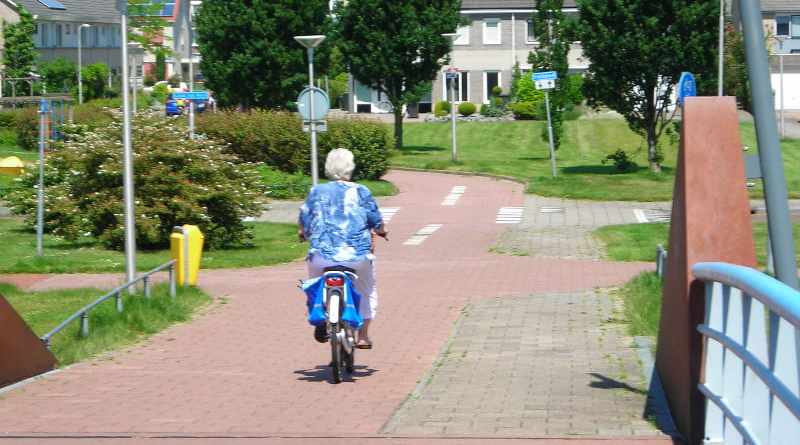
Delft University of Technology (TU Delft) and Royal Gazelle (Koninklijke Gazelle) are working together on a revolutionary self-stabilising bike that stabilises itself and the rider. This innovative project has won the Nationale Sportinnovator Prijs (National Sport Innovator Award). The idea is to improve cycling safety and let people of all ages ride with confidence. This new technology is not just aimed at everyday cycling, but also offers opportunities for elite sport.
The Importance of Cycling Safety
Cycling safety has become a more and more important topic, especially now that the number of cycling accidents is rising. Several factors cause this rise. One of them is the instability of older cyclists. The answer to this challenge is a self-stabilising bike, which TU Delft developed together with Gazelle. This bike has a special system with a motor in the handlebars. The motor automatically helps correct the bike when it is about to fall. As a result, riders can stay stable from a speed of just 4 kilometres per hour. This innovative concept can make a big contribution to cyclist safety.
How Does the Self-Stabilising Bike Work?
The self-stabilising bike uses sensor technology that constantly monitors the balance of the bike. When the sensors detect that the bike is about to lose its balance, the motor in the handlebars steers to correct it. This keeps the bike upright and prevents a fall. The system blends seamlessly with the ride, so the rider does not need to notice the corrections. This makes the bike especially suitable for people who struggle with balance, such as older people.
The Measuring Bike Project
The measuring bike project of TU Delft and Gazelle aims to improve cycling safety and cycling performance. A smart bike is a crucial part of this project. Its goal is to make the bike safer for daily use, but also to help professional cyclists improve their performance. It has two parts: a social part focused on the safety of everyday cyclists, and a sports part that works with Team Giant-Alpecin.
Social Impact
The social impact of the self-stabilising bike is significant. This technology can boost the confidence of older cyclists and support their mobility. Cycling has many benefits, such as better physical health and a smaller ecological footprint. By making cycling safer and more accessible, the technology from TU Delft and Gazelle can contribute to a healthier society.
Added Value for Sport
In sport, TU Delft works with Team Giant-Alpecin to improve the descending technique of road cyclists. The project includes developing a special measuring bike that collects data on speed, steering and braking. Researchers analyse this data and feed it back to the athletes through an app. This way, riders can refine their technique and improve their performance. The use of this technology in sport shows the wide range of possibilities that this innovation offers.
Recognition and Future Developments
The Nationale Sportinnovator Prijs, which the measuring bike project won, is an important recognition of the impact of the technology. It includes a grant of 50,000 euros, which the team will use to develop the project further and make the technology more accessible to the general public. Dr Daan Bregman of the TU Delft Sports Engineering Institute accepted the prize. The jury praised the project for its innovative approach and its benefits for both society and elite sport.
Further Innovations
With the support of the Nationale Sportinnovator Prijs, TU Delft and Gazelle will refine the technology further. The goal is to make the self-stabilising bike commercially available and so reach a wider public. This will not only improve cyclist safety, but also open up new opportunities for innovation in bike technology. The partnership between the university and Gazelle shows how academic expertise and industrial innovation can come together to offer practical solutions to modern challenges.
The partnership between TU Delft and Royal Gazelle to develop a self-stabilising bike is an exciting step forward in cycling safety and technology. With this innovation, people of all ages can ride safely and with confidence, which improves both mobility and quality of life. In addition, the project offers valuable insights for elite sport and shows how technology and sport can work together for better performance. The future of cycling looks bright, thanks to the groundbreaking technologies that TU Delft and Gazelle are developing.


