The Smart Bike Is Coming: What Connected Bikes Can Do
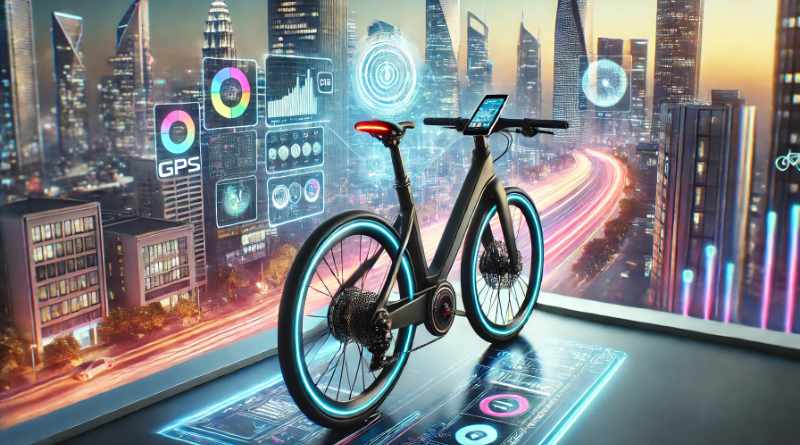
The rise of the smart bike is a fascinating development in the world of two-wheelers. Traditionally, people link bikes with simplicity and mechanical parts such as metal, rubber and plastic. Now they are ready to benefit from digital innovation too. Cars, homes and other objects are increasingly connected to the internet, and now the bike is making the jump to digital as well. This article looks at how this technology can make the bike safer, handier and sportier for the rider.
The Rise of the Smart Bike
The idea of a connected bike may sound futuristic, but the first models are already on the market. These models are often still in the more expensive segment. Even so, they are starting to reach consumers who want more than just transport. In the coming years we can expect this technology to spread to mid-range bikes. As a result, it becomes more accessible to a wider public.
The Connected Bike: Innovations and Possibilities
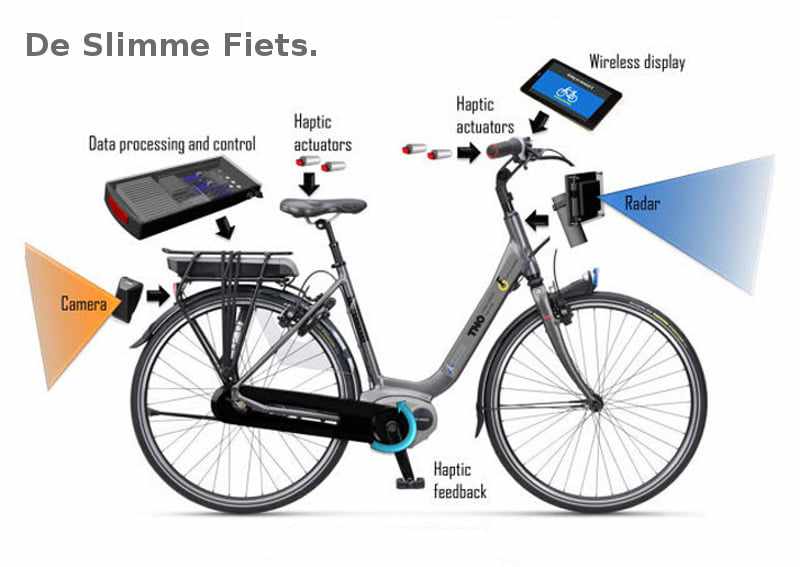
One of the most exciting aspects of the smart bike is that you can connect it online. Companies are developing systems that link bikes to the internet, which opens up a range of possibilities. Makers can build navigation into the handlebar, so cyclists can follow routes easily without taking out their smartphone. Sensor-controlled brake lights can improve safety by warning other road users when the bike slows down.
Another important aspect is digital theft protection. With a GPS chip, you can always track the bike, which greatly reduces the risk of theft. Vanmoof is one of the brands that already offers this technology on its bikes. In addition, the bike can send notifications, such as reminders for service appointments or updates for the pedal-assistance software. This makes maintenance easier and more efficient.
Sports Data and Tracking
Digital bikes offer countless benefits for sporty cyclists. For example, fitness trackers can sit in the bike to measure speed, cadence and other performance data, and send it to a smartwatch or phone. This lets athletes follow their progress and optimise their training. Collecting and analysing detailed data also makes it easier to set goals and improve performance.
The Future of the Smart Bike
The smart bike of tomorrow promises a revolution in how we experience cycling. Besides smart lighting that adjusts automatically to its surroundings, bikes can also have sensors that check tyre pressure and warn you when it is too low. The car industry already uses such technologies. In future they will appear on bikes more and more often.
The benefits of these innovations are not only about safety and convenience. They also make cycling more fun and attractive for a wider public. De Fietssite is excited about the possibilities that this technology offers and looks forward to following these developments.
Conclusion
The smart bike is more than a technological gimmick. It is a natural step in how we cycle. With digital technology, cycling becomes not only safer and more efficient, but also more enjoyable. Whether you are a keen sports cyclist or someone who enjoys a relaxed ride through town, it has something for everyone. Stay tuned for these exciting developments and find out how the smart bike can improve your ride.


