Solar Bike: The Electric Bike That Charges Itself in the Sun
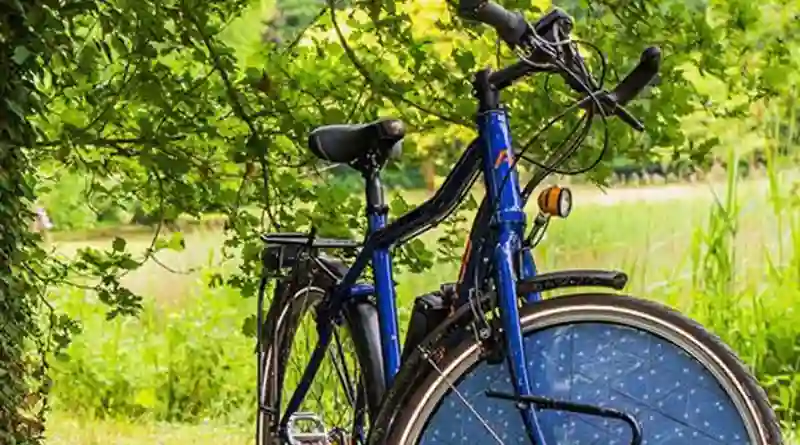
Electric bikes have become hugely popular in recent years, mainly because they are convenient and eco-friendly. However, many people see one aspect as a drawback: the time it takes to charge the battery. The Danish engineer Jesper Frausig has now come up with a groundbreaking solution: the “Solar Bike”. This innovative bike runs on solar power and charges itself while parked, so long charging times are a thing of the past.
Wheels with Built-In Solar Cells
 The wheels with built-in solar cells make the Solar Bike so unique. The cells sit on both sides of the wheels and, according to Frausig, are “shade optimised”. This means the bike can still collect and store energy, even in partial shade. While parked, it collects enough solar energy to ride between 2 and 25 kilometres a day, depending on how much sunlight is available. The bike also has a range of more than 65 kilometres, which makes it very suitable for longer rides.
Innovative and Practical
Besides charging the battery with solar power, the lighting also runs on the collected solar energy. This makes the bike even more attractive for everyday users, because it needs no extra batteries or energy sources. The bike can reach a top speed of about 50 kilometres per hour, so it is a fast and efficient option for both urban and rural areas.
A Promising Future
The Solar Bike is the result of three years of intensive work by Frausig, and the current version is already the second prototype. Although there is no exact release date or price yet, the bike has already drawn a lot of attention. It has even earned a nomination for the INDEX: Award, a prestigious prize for designs that improve people’s lives. This nomination underlines the potential of the bike to play an important role in the future of sustainable mobility.
The Impact of the Solar Bike
The introduction of this bike could revolutionise cycling and sustainable mobility. A bike that charges itself without an external power source is an attractive alternative to traditional electric bikes. The concept is especially relevant at a time when the world is switching more and more to green energy sources and technologies that minimise the impact on the environment.
In addition, the bike could offer a solution for people who live in areas where access to electricity is limited, but where solar energy is plentiful. This makes it an ideal means of transport for urban and rural areas worldwide.
Future Developments
Although the bike is still at the prototype stage, there is huge scope for further development and improvement. Think of more efficient solar cells, lighter materials and a longer range. Moreover, people could also apply the technology behind it to other forms of transport, such as electric scooters or even cars. This could lead to wider use of solar energy in the transport sector.


