Veemo: Is This the City Bike of the Future?

What Is a Veemo?
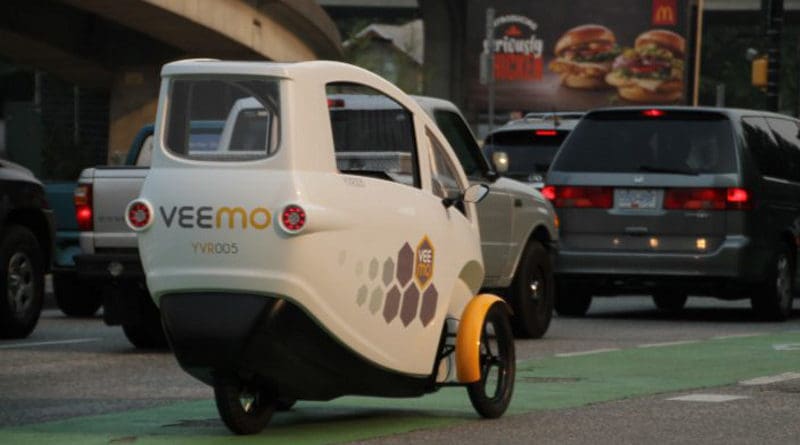
A Veemo is a three-wheeled, pedal-assisted vehicle with a cabin that shelters the rider from the weather. It was designed for short city trips, such as cycling to work or picking up a few things from the shops. You still pedal, but an electric motor lends a hand when the route gets harder. The cabin is what first caught our eye. A rainy commute looks a little more inviting when you have a roof over your head.
A reader brought the Veemo to our attention. We’re always curious about new ways to get around by bike, and this one raised a few questions straight away. How much did it have in common with an e-bike? And would you have to buy one to try it?
Is It a Bike or a Car?
Veemos were designed around the same principle as an electric-assist bicycle. The rider pedals and the motor helps. The three wheels and the covered cabin give the vehicle a different shape and riding position from a conventional e-bike. That combination was central to the idea. You could get some exercise on a daily trip while staying more sheltered from the wind and rain.
Is It Motorised?
Yes. The electric motor assists you as you pedal, which is especially useful when you reach a hill. That extra help makes sense for a vehicle built for everyday city trips. You might be cycling to work in ordinary clothes, for example, and want some assistance on the uphill stretch before you arrive.
Can You Buy One?
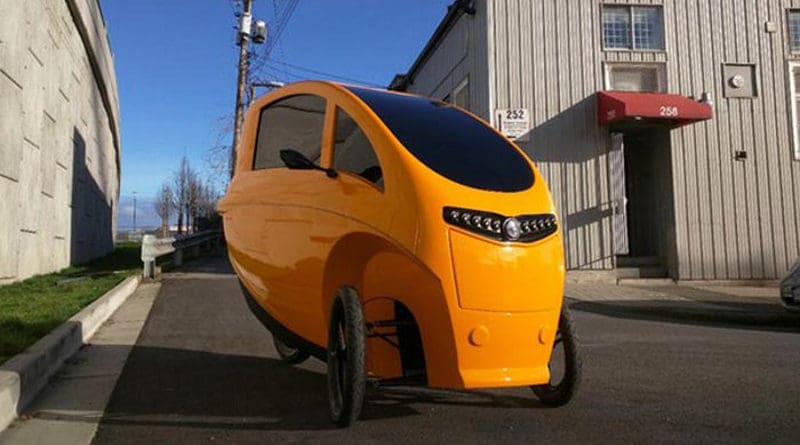
When we first covered Veemo, the idea in Canada was to make the vehicles available through a sharing service. Riders would use an app to find one nearby, rent it for a trip and leave it for the next person. The vehicle’s location would then appear in the app again. That made the concept particularly interesting for occasional trips. You could pick up a Veemo when you needed shelter for a journey and hand it back to the network when you were done.
What a Shame
We would have liked to try one in the Netherlands. The first test we had in mind was simple: take it to work on a wet morning and see how it felt in everyday traffic. How easy would it be to get in and out? How much shelter would the cabin give you in wind-driven rain? Those are the details that would make the difference on a daily commute.
For more information (in English).


